
A smaller inflatable made for younger feet
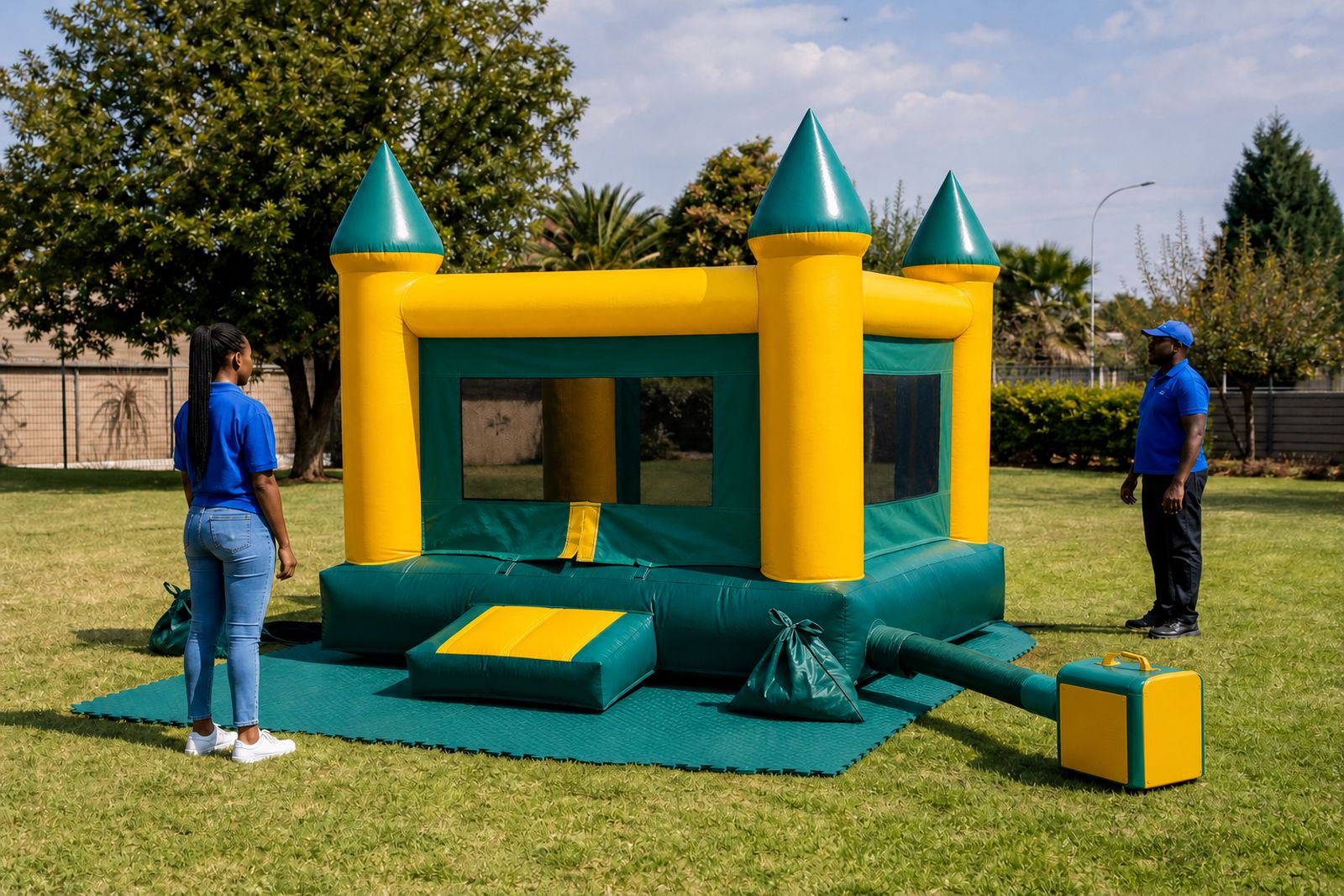
This mini jumping castle is built for short hops, steady play and a lighter footprint on site. It is a good fit for toddlers and early primary children, especially where the play area is a courtyard, a modest lawn or a school corner with controlled access. The inflatable is usually sized around 3 m by 3 m to 4 m by 4 m, with a height that stays manageable for indoor halls and many garden venues.
The chamber uses a blower while it is in use, with pegging or weighted anchoring chosen to suit grass, paving or hard floor conditions. Safety mats go at the entrance and exit points, and the crew keeps an eye on the load, age group and entry flow. When the venue has smooth ground or limited outdoor space, the compact shape helps the hire sit neatly without crowding the rest of the party layout.
- Compact footprint for smaller venues
- Designed for supervised bouncing by younger children
- Suitable for grass, paving and selected indoor spaces
- Anchored and checked before play starts
Sizes, layout and the kind of crowd it handles
Mini castles are best when you need a contained play point rather than a large run and jump unit. The deck height is usually lower than a standard castle, which helps younger children climb in and out with less assistance. Some versions have simple wall art, a small slide, or a single bounce area with soft side panels. The right option depends on the age spread, the number of children expected at once, and how much open ground you can spare.
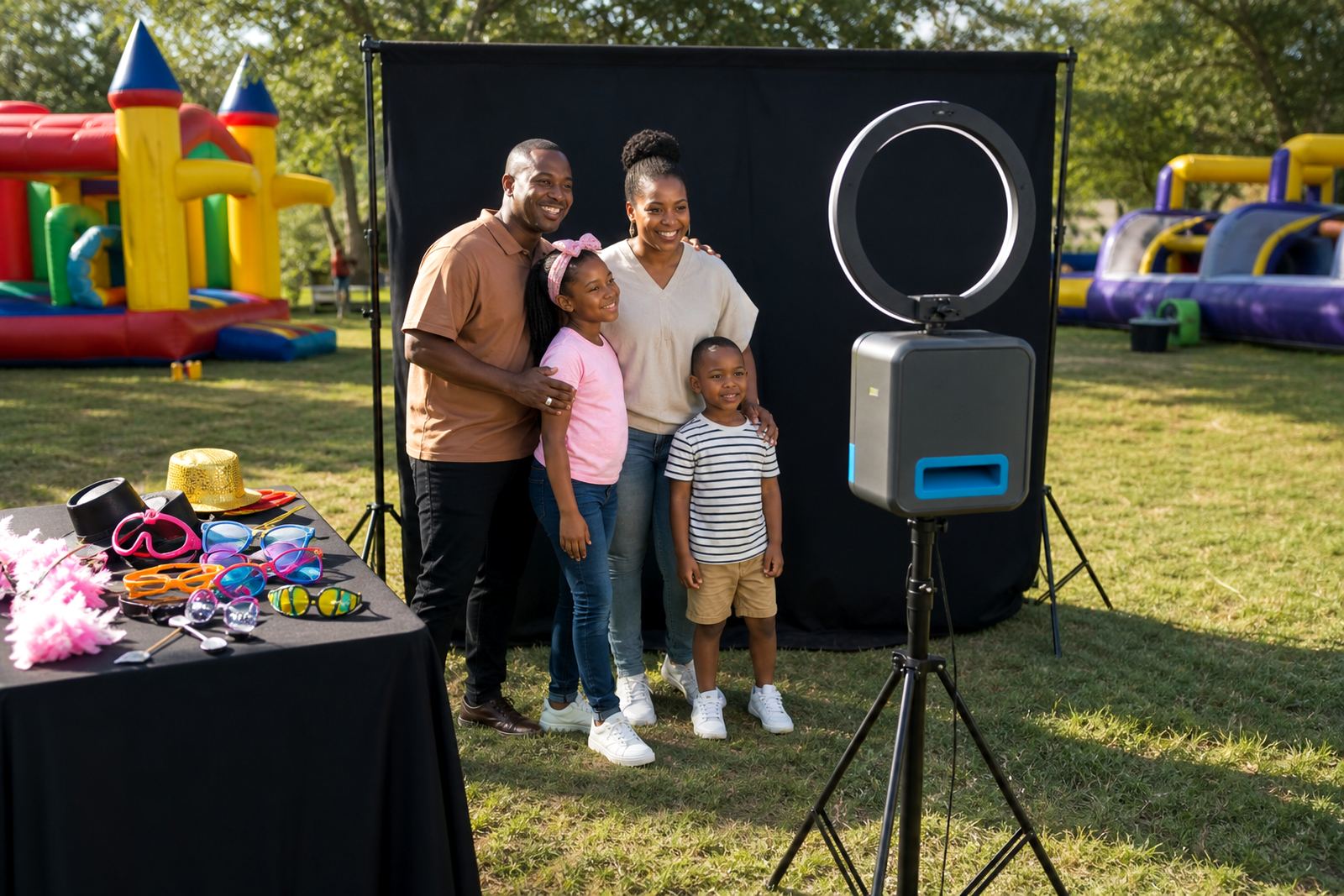
For a birthday in Midrand or a family day in Sandton, the small format keeps foot traffic tidy. Schools often use it for reception age groups, while malls may pair it with carnival games or a photo booth so the play area stays organised. If the site has a narrow gate, a shared courtyard or a venue path with tight turns, this style is easier to position than a larger obstacle course. The crew measures access points and checks whether the inflatable can be carried in without squeezing the fabric or scraping the base.
- Typical footprint: about 9 to 16 square metres
- Works well for small groups at a time
- Best for children roughly 3 to 8 years old
- Can be placed near other party hire items with space kept clear around the blower
Where the mini castle earns its place
This hire suits birthday gardens, nursery school fun days, community halls, mall family zones and company events with children in attendance. It can sit beside popcorn service, candy floss carts, mascots, simple games or a photo booth without making the whole floor feel crowded. In Gauteng, many venues want the play piece to be visible from the main gathering area, and the mini castle works well for that because it stays compact and easy to supervise.
For outdoor bookings, the site should have enough clear floor or lawn space for the inflatable itself plus a safety border around it. The setup team will want level ground, a sensible route for the blower hose and a place to keep shoes, bags and loose items away from the entrance. At a school in Pretoria or a birthday in Bloemfontein, the same rules apply, and the layout often needs to be adjusted for shade, access and child flow. If the venue has hard paving or polished indoor floors, anchoring methods and matting are selected to suit the surface.
How the crew sets it up and keeps it in service
Set up begins with a site check, then the inflatable is positioned, laid out, inflated and secured. The blower stays on for the full session, so a mains point nearby is usually needed, and on some event plans a generator may be arranged if the venue does not have a suitable socket. The crew checks seams, blower pressure, anchor points, and the matting at the entrance. If the ground is wet or the weather turns changeable, the plan may shift to a covered or indoor position where that is allowed by the venue.
Supervision matters with a compact castle because the children are close together and the age range is usually narrow. The attendant or site crew manages turns, shoes, rough play and entry count, so the bounce space does not get overloaded. A short slot often runs better than a long free-for-all, especially when the same event also includes snacks or other attractions. For larger road shows and school programmes, the equipment may be joined by queue barriers, signage and extra crew support.
- Blower, cables and anchoring checked before use
- Safety mats placed at entry and exit points
- Supervised play recommended at all times
- Weather cover or alternative placement planned where needed
Care, cleaning and the condition of the inflatable
The fabric is kept clean and dry between hires, with attention to seams, stitched sections and the entry step. After collection, the unit is inspected for marks, wear and any loose fixings before it is packed away. On site, the inflatable should stay clear of sharp objects, food spills and rough footwear. For outdoor bookings near the coast, extra care is useful because humidity and salt in the air can affect equipment that is packed away damp.
Parents and organisers should keep small items, confetti and loose décor away from the play area. The crew may ask for a tidy zone around the castle so that the blower intake stays open and the fabric does not rub against walls or poles. If the hire is part of a larger school or corporate family day, the castle can be scheduled around lunch, prize giving or stage time so the use stays controlled and the unit remains in good order through the event.
What to confirm before the booking is locked in
When you are arranging a mini jumping castle, the useful details are practical ones. The crew needs the venue address, the floor type, the age group, the expected number of children and the space available. It also helps to know whether the venue is indoors or outdoors, if there is a nearby power point, and whether access is easy for loading and offloading. If the site has access times or rules from the venue manager, those should be shared as well.
For a careful booking, confirm the following:
- Approximate space available in metres
- Child age range and likely head count
- Venue type, indoors or outdoors
- Power point location or generator need
- Surface type, grass, paving or hall floor
- Any wet weather or venue restrictions
If the event needs delivery, setup, supervision, strike and collection, those details are best shared together so the plan suits the site from the start.