
Where the light gets lost first
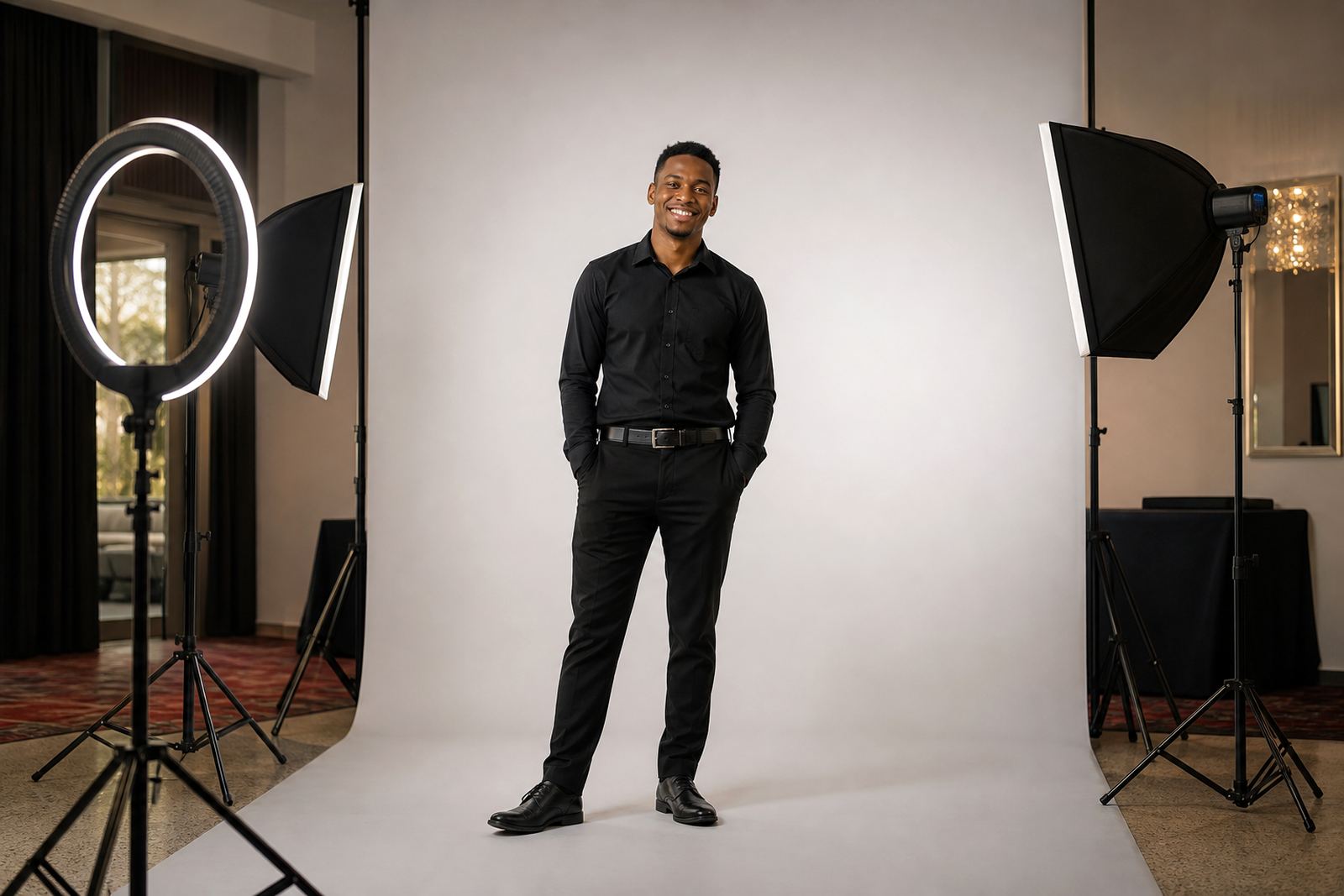
Indoor events often look bright enough to the eye, then the camera flattens everything. Halls with high ceilings, mall courtyards with mixed lighting and evening venues with coloured wash lights all create shadows under eyes and across faces. A photo booth needs a controlled pool of light, not just whatever the room happens to offer.
That is why booth placement matters. If the booth sits too close to a doorway, one side of the picture can pick up daylight while the other side stays dim. If it sits under a warm ceiling fitting, skin tones can go yellow. Even light gives guests a better chance of stepping in, smiling and getting a clean frame without fuss.
What even lighting does for group shots
Group photos are where weak lighting shows up fastest. One person is taller, another leans forward, a child stands in front and the camera has to deal with all of that at once. A balanced light spread helps keep faces visible from edge to edge, even when people are standing shoulder to shoulder or when a family crowd squeezes into the frame.
- It reduces harsh shadows around noses, chins and caps.
- It keeps bright shirts from blowing out on camera.
- It helps glasses stay readable instead of turning into glare.
- It makes the backdrop look even rather than patchy.
At a school prize evening in Midrand, for example, the booth may sit in a foyer where the room lights are mixed with stage spill. A soft, steady light on the faces helps the photo booth do its job without fighting the rest of the venue lighting.
Choosing the right booth position inside a venue
Positioning starts with the room itself. A booth in a narrow passage will pick up movement from people walking past, while a booth tucked too far into a dark corner can leave guests squinting. The better spot is usually one with enough floor space for a small queue, clear access for the crew and a clean backdrop behind the camera line.
For malls and school functions, the route to the booth should be easy for children, parents and older guests. For evening functions, the crew may need to work around stage lighting or a dance floor. In larger corporate spaces, the booth can sit near the bar or registration area, but not so close that the flash catches moving feet and bags.
- Leave space for a short queue and a turning area.
- Avoid direct glare from windows or open doors.
- Keep the backdrop clear of bright signboards.
- Allow enough room for props and attendants.
How power, cameras and print units fit together
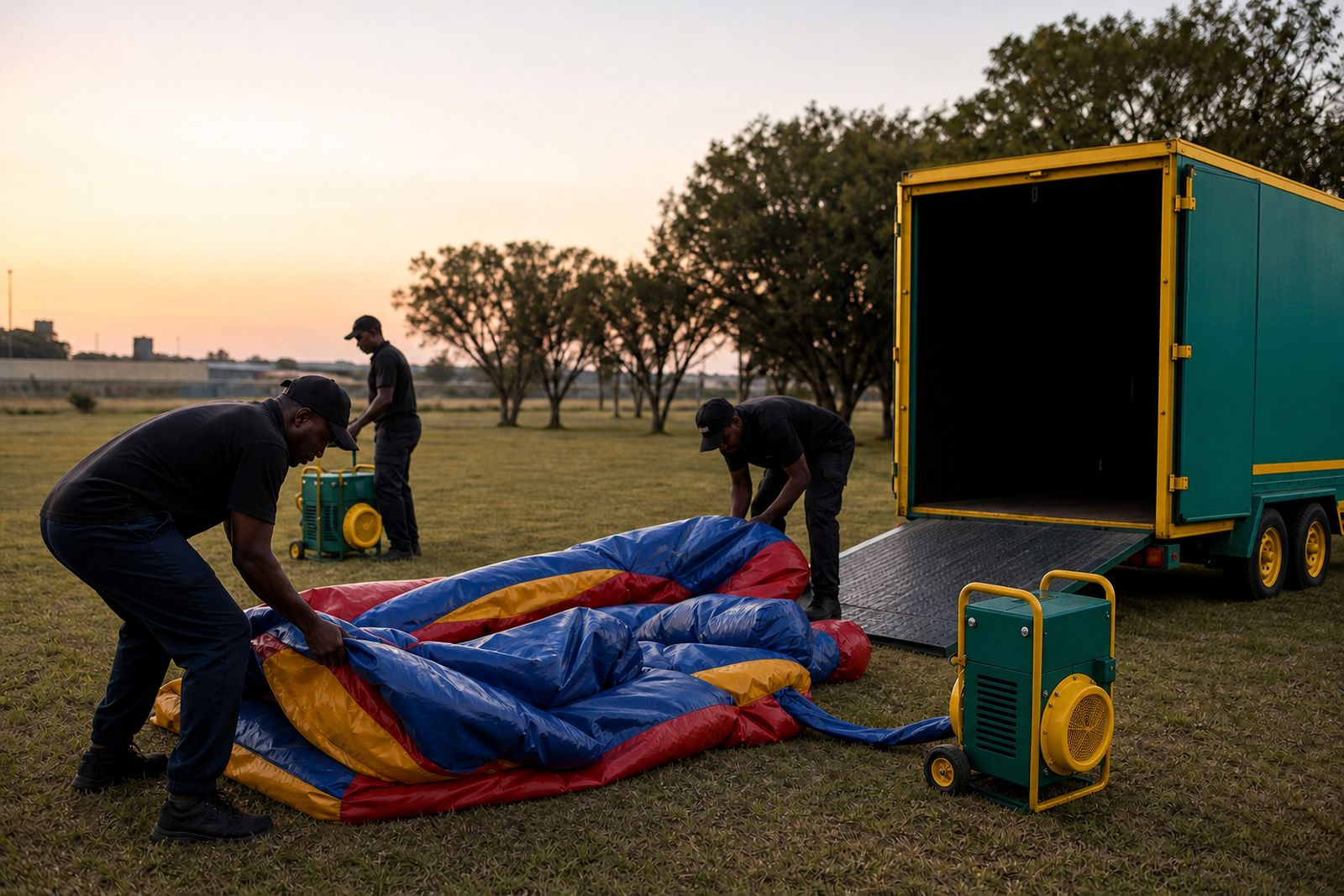
A photo booth setup usually needs a stable power point, camera gear, lighting and a printer or sharing station. The lighting should stay constant, because flicker or dimming changes the look from one group to the next. Where the venue power is spread across a larger site, the crew plans the booth close to a suitable supply and checks cable runs so they do not cut across walkways.
For some indoor functions, battery support may cover part of the setup, but many booths still depend on mains power for a full service run. If printing is included, the team needs room for paper, media and a small working surface. That matters at birthday parties and corporate family days where the queue can move quickly and the booth has to keep pace.
Weather shifts and evening light in Gauteng
Outdoor or semi-covered events need a different eye. In Johannesburg and Pretoria, daylight can fade sharply after sunset, while wind can move backdrops and lighten or darken the shot from one minute to the next. A covered area, stable flooring and proper anchoring help the booth stay usable if the weather turns or the temperature drops later in the day.
Foam or bubble machines nearby can also affect the picture. They are fun, but they add movement, moisture and sparkle to the frame. If a booth sits too close, the lighting can catch floating bubbles or reflect off wet surfaces in a way that distracts from the faces. A sensible layout keeps the fun close enough for energy, but not so close that the image suffers.
What a trained crew watches during service
Good lighting is not a one-off setup and walk away job. The crew watches how people stand, how props are used and whether the room lighting changes through the event. If a hall switches from bright daytime use to an evening programme, the light level may need a quick adjustment. If a mascot visits the booth, the crew may need to move the light a touch so the costume does not cast a deep shadow across the group.
At busy events, attendants also help manage the flow. They guide guests into position, keep the backdrop straight and make sure the camera angle still suits children as well as adults. That kind of handling matters at malls, schools and birthday parties where the pace can shift fast and the booth has to stay ready for the next group.
Planning the booth around the rest of the entertainment
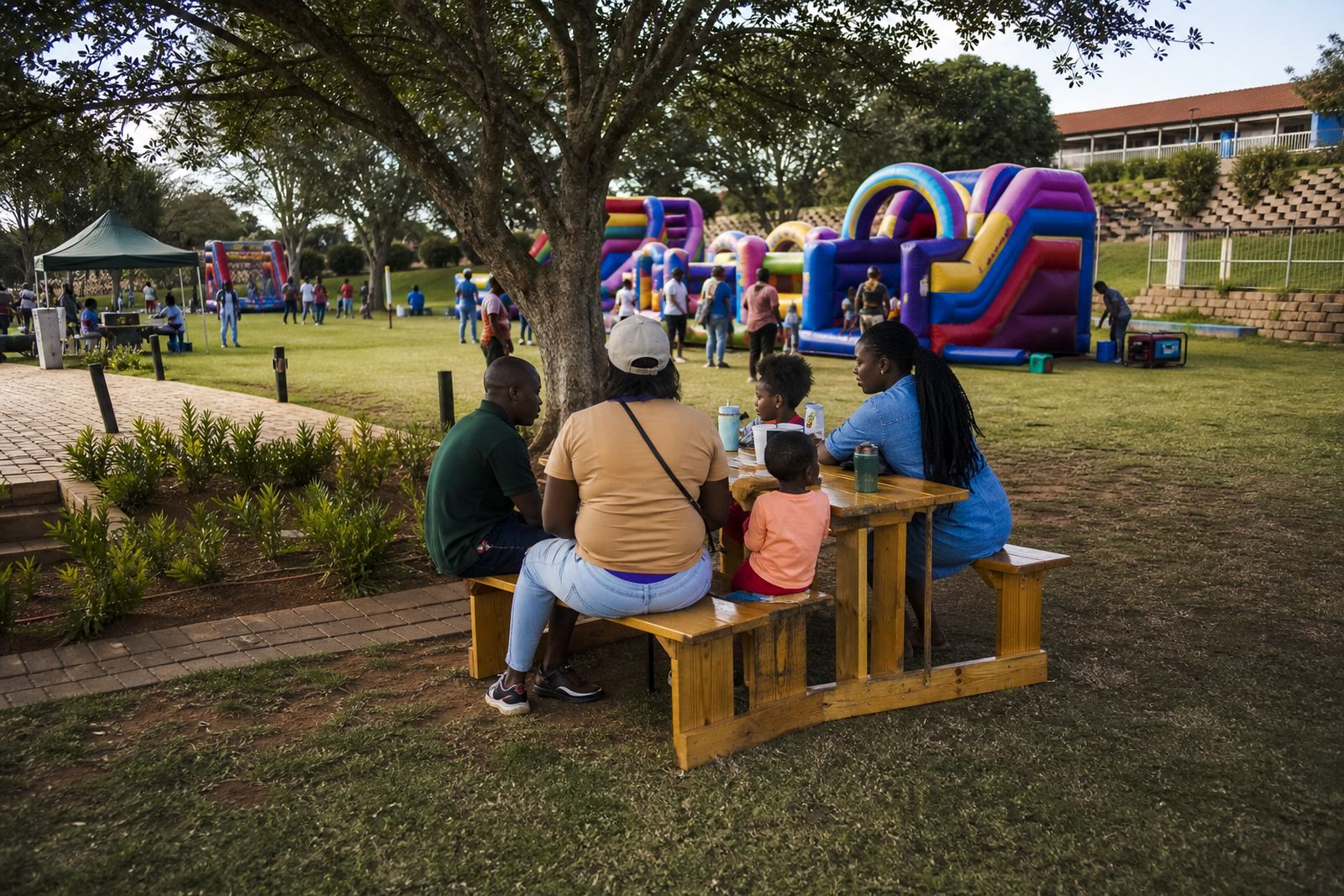
Photo booth lighting works best when it is treated as part of the wider event plan. If the day includes jumping castles, carnival games, candy floss carts or a small ride, the booth should not be placed where noise and movement keep interrupting the photos. It should feel easy to find, easy to step into and easy to leave once the photo is done.
For a Midrand corporate family day, that might mean setting the booth near the seating area rather than the obstacle course. For a birthday in Cape Town or Bloemfontein, it may sit beside the snack table so families naturally pass through. The aim is not to create drama around the booth. The aim is to give the camera a steady face, a steady light and enough space for a clean result.