
Start With The Children Standing In Front Of It
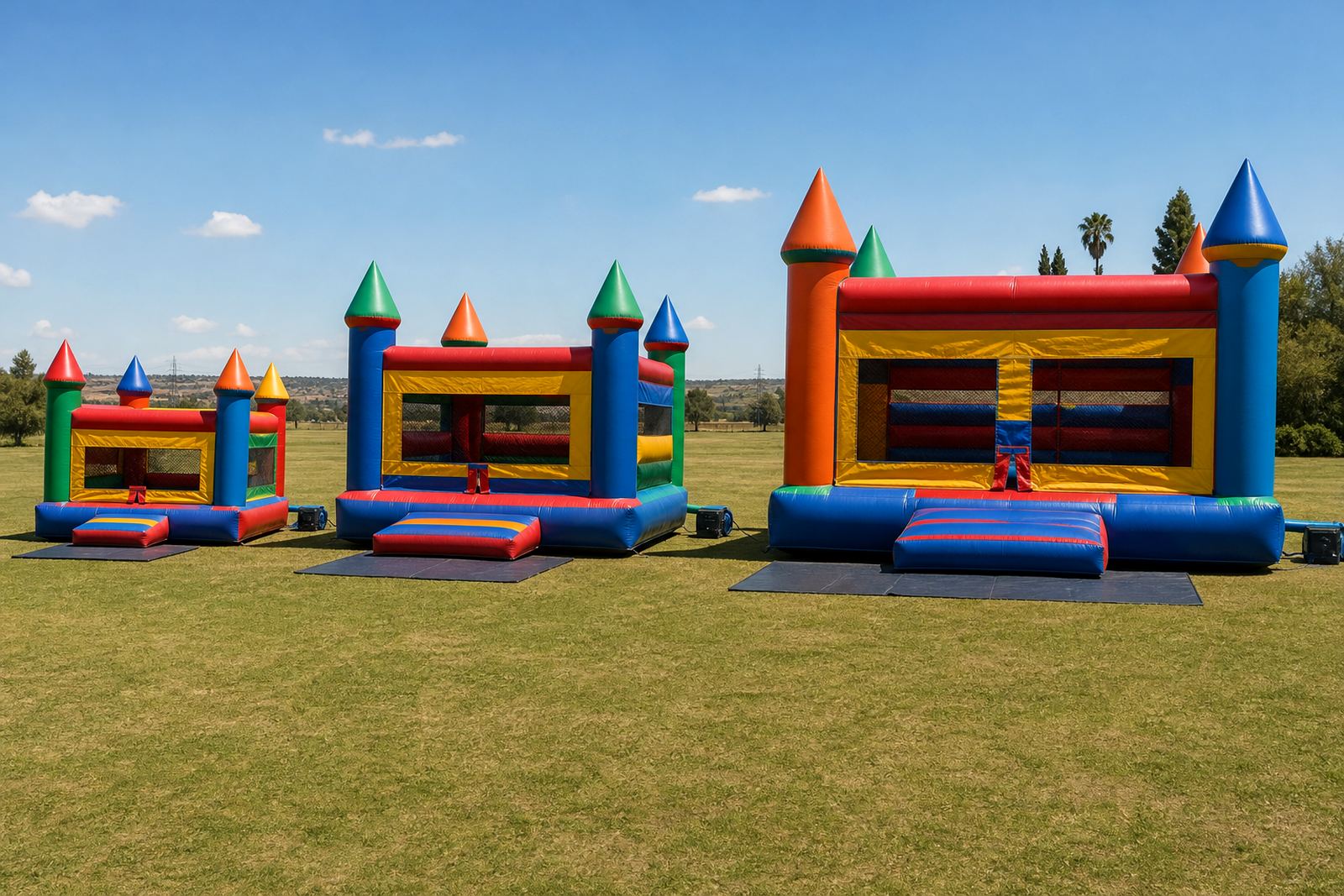
The first question is not the colour or theme, it is the age of the children who will use it. A compact castle suits toddlers and younger primary school children, while a larger unit with higher walls and a wider bounce area suits mixed ages under supervision. For older children, look for stronger access points, clearer entry zones and enough head height so the unit does not feel cramped.
If the group includes toddlers and older siblings, separate play usually works better. Younger children tire quickly and need softer landings, while bigger children want more bounce and more room to move. A crew can guide you on the safest match for the age range you expect.
Measure The Open Patch Before You Fall In Love With A Size
A castle needs more space than the footprint alone. Leave clearance on each side, allow space for blower placement and keep a clean path for entry and exit. Flat grass is easiest, but hard surfaces can work when mats and anchoring are set correctly. Uneven paving, slopes and low branches can limit the options.
- Measure the length and width of the clear area, not the whole yard.
- Allow extra space for access, safety mats and the blower hose.
- Check overhead clearance for trees, shade nets and low roofs.
- Keep the setup area free of loose stones, toys and sharp objects.
- Confirm whether the surface is grass, concrete, paving or indoor floor.
On school fields and mall forecourts, the open space may look generous until queues, tables and walkways are added. It helps to plan the castle around the full event layout, not only the play zone.
Know When A Bigger Inflatable Is Worth It
Small castles are simple to place and suit short birthday visits or a narrow lawn. Larger castles and inflatable obstacle courses need more depth, more anchoring and more supervision, but they can keep bigger groups moving. If children will rotate all day, a bigger unit can handle the traffic better than a tiny bounce house with a long queue outside.
Obstacle-style inflatables work well when you want movement rather than only bouncing. They need a longer footprint and a clear run-in and run-out zone. In windy coastal conditions or on open school grounds, secure anchoring and a weather watch matter more than the picture on the booking sheet.
What The Setup Crew Normally Checks On Site
A proper setup is about more than inflation. The crew checks the ground, places mats, secures the unit and tests the blower line before children enter. If the surface is hard, extra anchoring methods may be used. If the event is indoors, ceiling height and access routes are checked before the unit is moved in.
- Blower position and cable routing.
- Anchor points or ballast on suitable surfaces.
- Safety mats at entrances and exits.
- Clear supervision point for the attendant.
- Space for shoes, bags and waiting children.
Where a castle runs near a stage, food area or another ride, the team also looks at foot traffic. It is easier to manage one neat queue than four crossing paths and a busy walkway near the entrance.
Power, Weather And The Bits People Forget
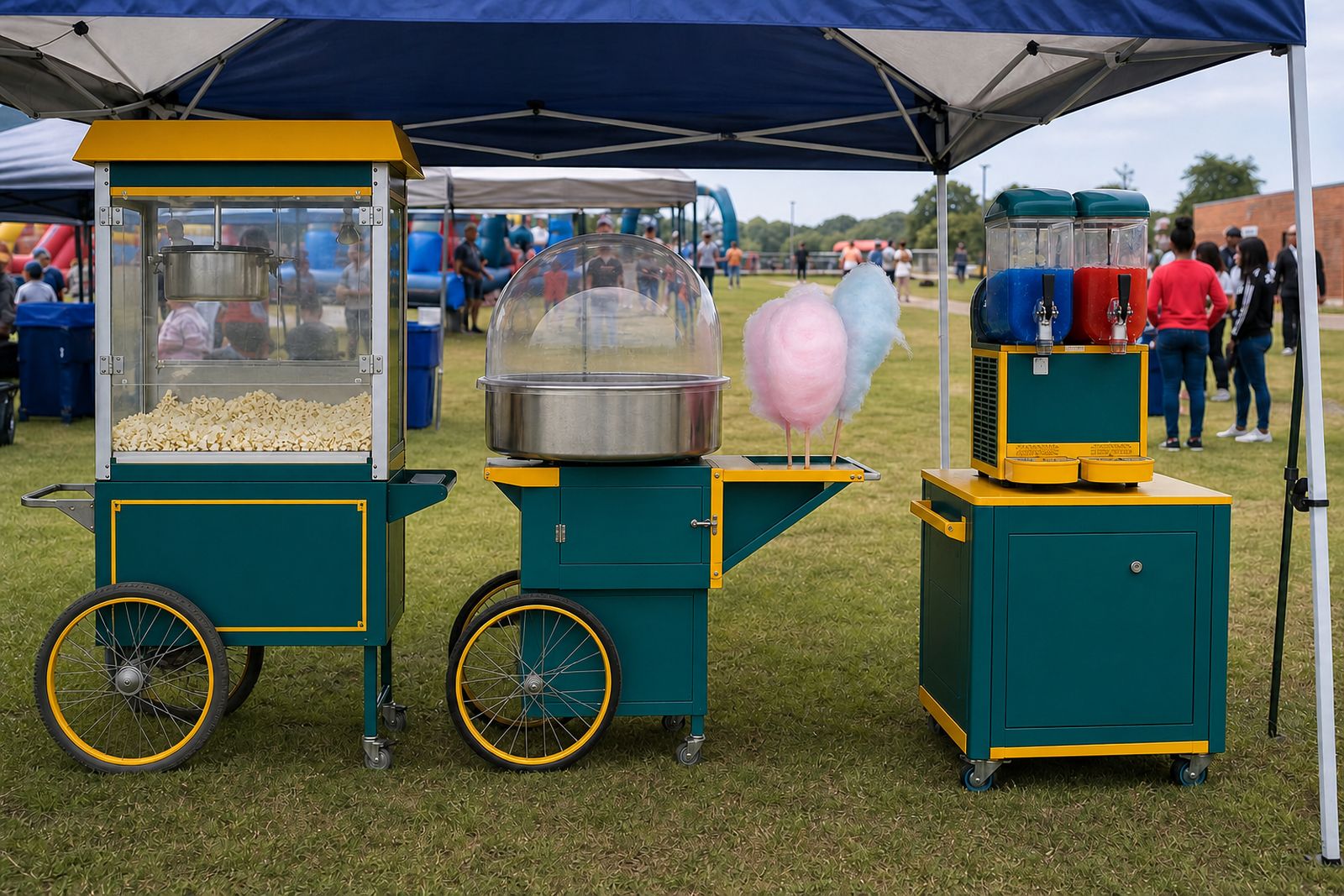
Most jumping castles need steady power for the blower, and some event plans call for generator supply when mains power is not available or not allowed on site. Cable runs must stay tidy and out of walkways. If the castle is part of a larger event with popcorn, candy floss, a photo booth or a foam feature, those items may need their own power planning too.
Weather is a real part of the decision. Strong wind, rain and wet grass can change what can be safely set up. A wet weather plan may include moving the unit under cover, changing the layout or holding the booking for a safer time slot. On a bright day, shade and hydration also matter, especially for schools and family crowds.
How To Match The Castle To The Occasion
A birthday in a suburban garden does not need the same unit as a school sports day or a mall activation. A child-focused party can use a smaller unit with a shorter play cycle. A public event often needs more visual impact, better crowd flow and supervision that keeps the queue calm.
- Birthday parties usually work best with one main inflatable and simple add-ons.
- Schools often need age group zoning and stronger queue control.
- Mall events benefit from visible units and tidy audience flow.
- Corporate family days may need a mix of bounce, games and snack carts.
- Road shows need careful loading, travel planning and strike timing.
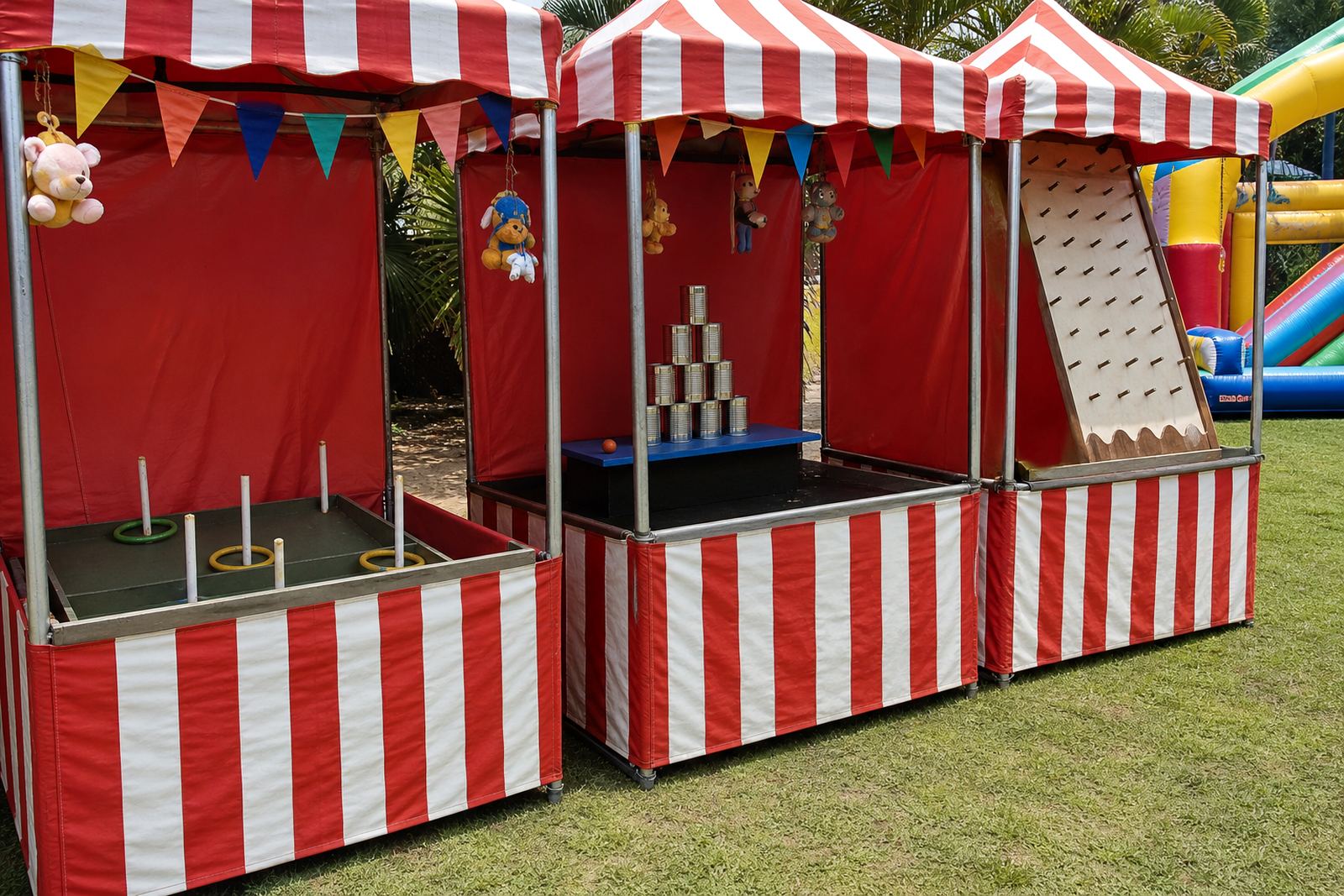
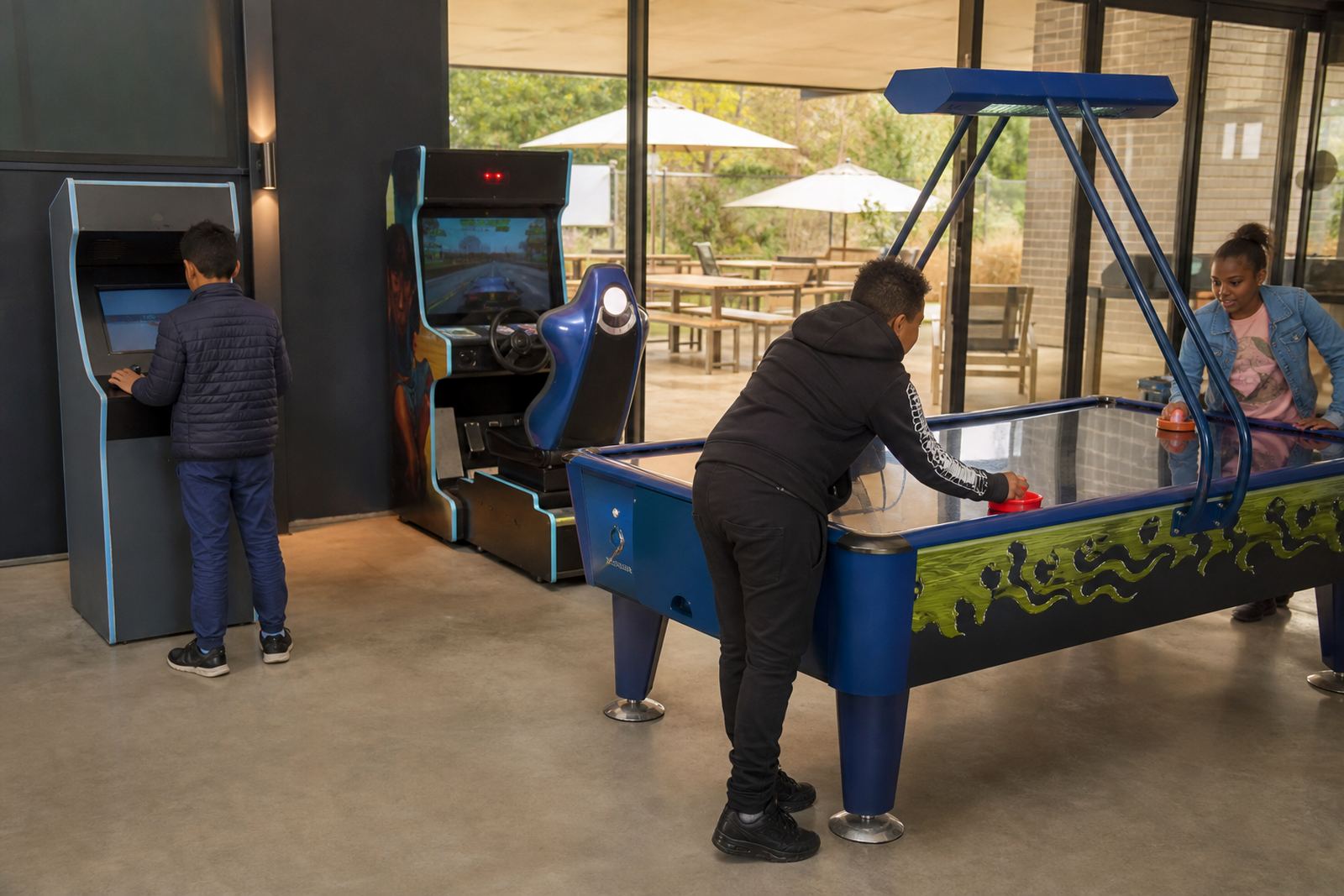
If the event includes teens as well as younger children, a game stall or retro machine can balance the day. Not every guest wants the same kind of movement and the mix matters.
The Booking Steps That Keep The Day Calm
Good bookings start with the basics: event date, venue, age range, surface type and expected number of children. Add the available space, any power access details, and whether the plan is indoors or outdoors. If the site has access gates, stairs or tight delivery hours, mention that early so the team can plan the right vehicle and crew.
Deposits, balance terms and setup windows are usually set out before the event so there are no surprises on site. Strike and collection are also part of the booking, especially when the venue has strict closing hours or shared parking. For larger road shows, the logistics team may coordinate delivery order, queue management and the collection sequence as part of the full plan.
A Short Final Check Before You Lock It In
As you compare castle options, keep the choice practical. Match the age group, measure the real space, think about surface and power, then look at the event flow around the unit. A small castle that fits properly is usually better than a large one squeezed into the wrong patch.
Amused works from Midrand and handles party and event hire across Gauteng and national road shows, with site checks, delivery setup, supervision, anchoring, mats, power planning and collection built into the service.