
Pick the game mix before the floor plan gets busy
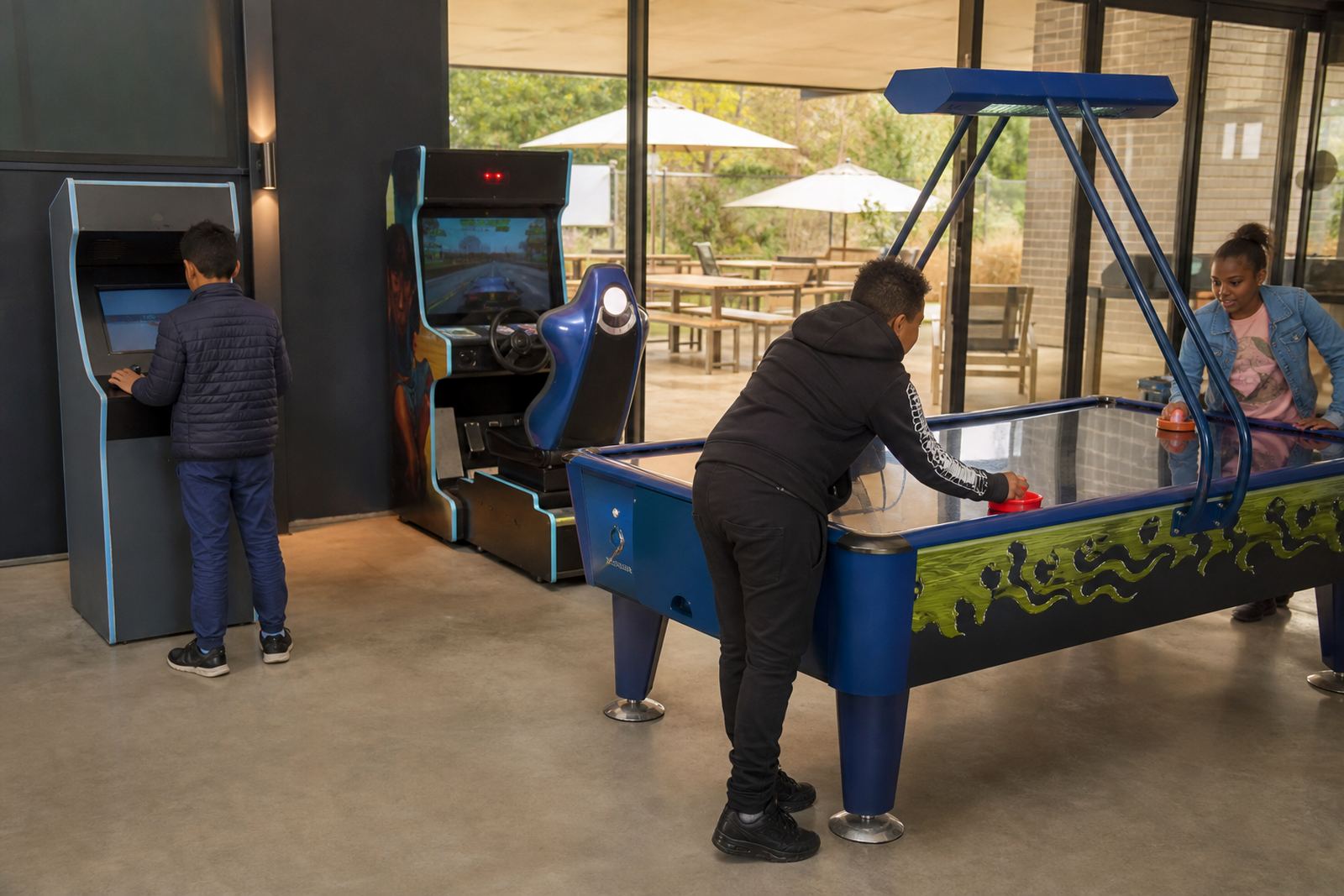
Arcade hire works best when the machine list fits the crowd you expect. A school fun day needs fast-play games with short turns, while a corporate family day may suit a mix of racing cabinets, retro titles, basketball shooters and ticket games that keep people moving.
Think about ages and height ranges first. Smaller children need controls they can reach, clear button layouts and safe standing space, while older teens and adults usually want competitive games with quicker rounds. If the crowd includes mixed ages, place the easier games near the front and keep the harder or louder cabinets deeper inside the room.
- Match the mix to the event type, not only to the number of guests.
- Leave room for spectators, not only the player at the cabinet.
- Group games by pace so queues do not stall at one point.
- Keep a few short-turn games close to the entrance for fast turnover.
Measure the room in metres, not in guesses
Cabinet hire needs proper floor space and a clear route for delivery. Standard upright machines need a level section of floor, a safe buffer behind the unit, and enough width for crew to wheel items through doors, lifts or passageways without scraping walls. A row of machines in a hall can look tidy, but the depth of each cabinet and the player standing space still matter.
For indoor halls, foyers and marquees, check ceiling height, door width and the position of pillars, fire exits and public walkways. If the event is inside a mall or school hall, the venue may also have rules for cable runs, loading areas and where equipment may be left after setup. Wet weather does not stop the use of indoor arcade stations, though a covered delivery route still helps when the floor near the entrance gets slippery.
- Check the space you can actually use, instead of the room dimensions on paper.
- Check lift access and door widths before locking in the layout.
- Leave a clear path for crew, guests and any trolley movement.
- Keep arcade stations away from emergency exits and crowded corners.
Power planning keeps the games moving
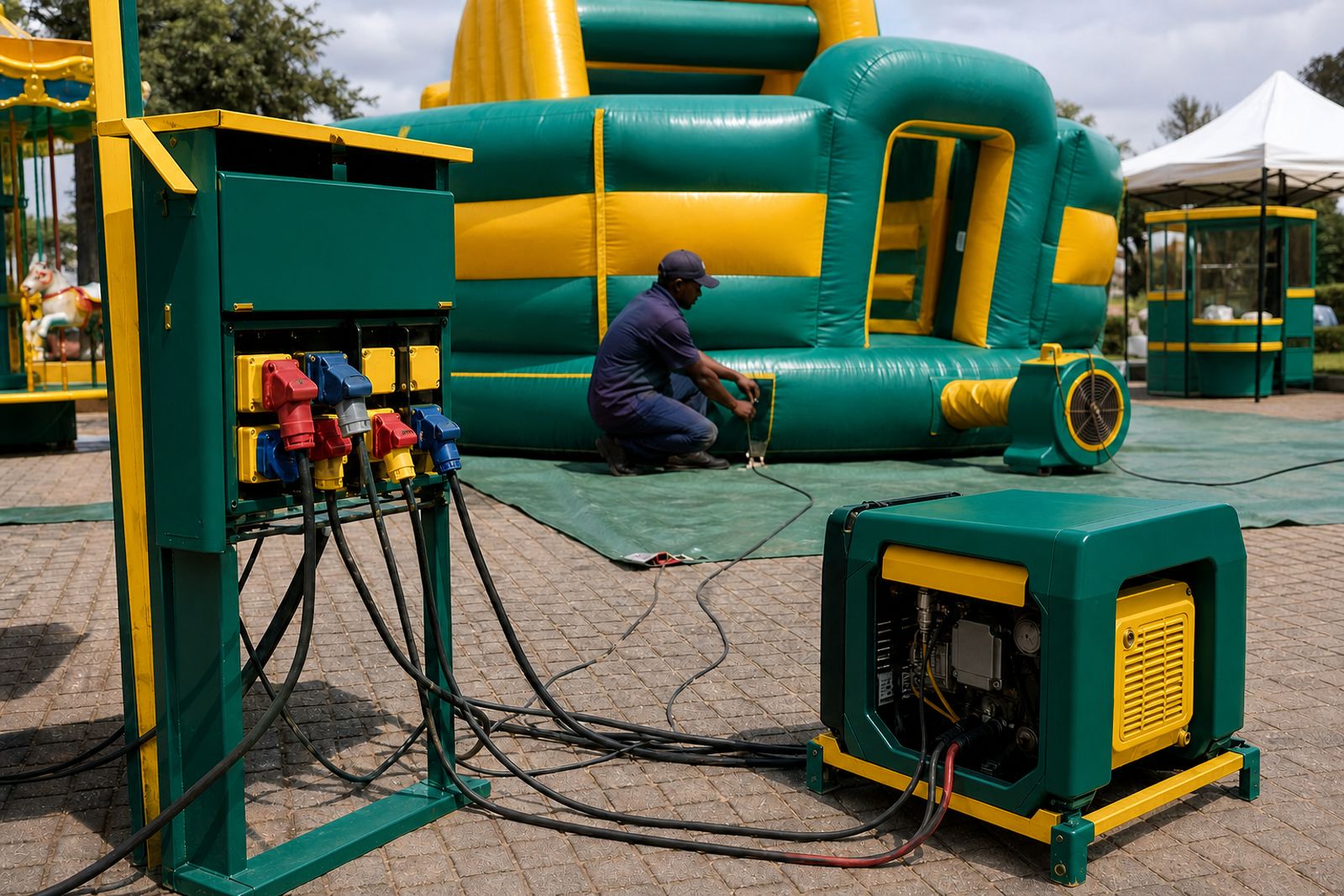
Most arcade setups need mains power, and the load should be planned before the event day. Some machines draw modest power, while others with screens, lights or moving parts need a steadier supply. Candy floss carts, popcorn machines and foam or bubble units can add to the total, so the electrical plan should include every item that plugs in.
If the venue has limited sockets, use separate circuits where possible and avoid stacking too many units onto one line. For road shows and outdoor spill-over areas, a generator can support the setup, but the output must suit the full mix of equipment. Cables should be taped or covered neatly so guests do not trip, and power points need to stay dry and out of heavy foot traffic.
- List every machine that needs electricity before the crew arrives.
- Keep hot snack carts and wet-effect machines on their own plan.
- Allow for cable covers where guests cross the setup area.
- Use a generator only when the venue supply is not enough.
Player turnover depends on the way the queue works
Arcade hire is not only about the machines, it is about movement. When guests can see which game is free, understand how long a round takes, and find a clean place to stand, the line keeps moving. That matters at birthday parties with excited children, and it matters at mall events where passers-by join in without much warning.
A trained attendant helps with resets, ticket counts, simple instructions and fair turn-taking. For larger activations, one crew member may watch the whole cluster while another supports the snack cart or photo booth nearby. If the event includes mascots or small fairground rides, the arcade area should still have its own flow so the games do not get blocked by costume photos or ride queues.
- Place fast games beside slower games to spread the crowd.
- Keep a visible waiting spot rather than a loose crowd.
- Use attendants where guests need guidance or token control.
- Watch the edges of the setup so people do not cut through queues.
Setup, strike and weather plans need a realistic clock
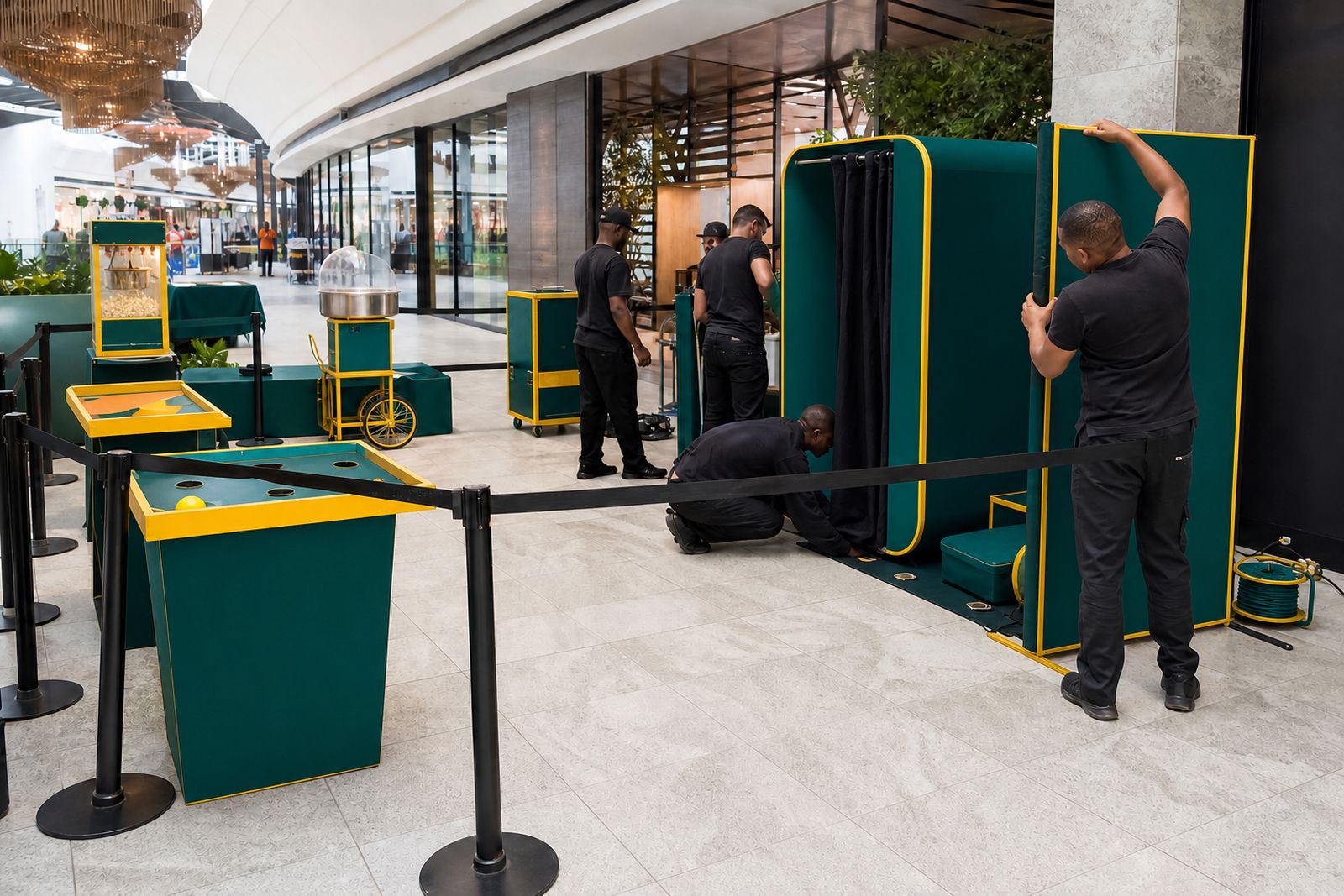
Arcade cabinets, snack machines and related event gear need time for offloading, positioning and testing. The full setup window depends on the number of items, access routes and whether the crew needs to build a full play zone or just place a few machines inside a hall. Strike and collection also need clear access, because machines must be packed out carefully and checked before loading.
Bad weather matters more for mixed events than for indoor-only functions. If the arcade section sits near an open doorway or under a temporary cover, rain can affect the entry route and any outdoor queue points. A weather plan should say what moves indoors, what stays covered, and how the guest flow changes if the outdoor section becomes unusable.
- Check that delivery, setup and collection can happen at the right times.
- Keep a clear route for trolleys and loading equipment.
- Plan an indoor backup if part of the event is outside.
- Leave space for cable checks, cleaning and final testing.
Booking notes that keep the brief clean
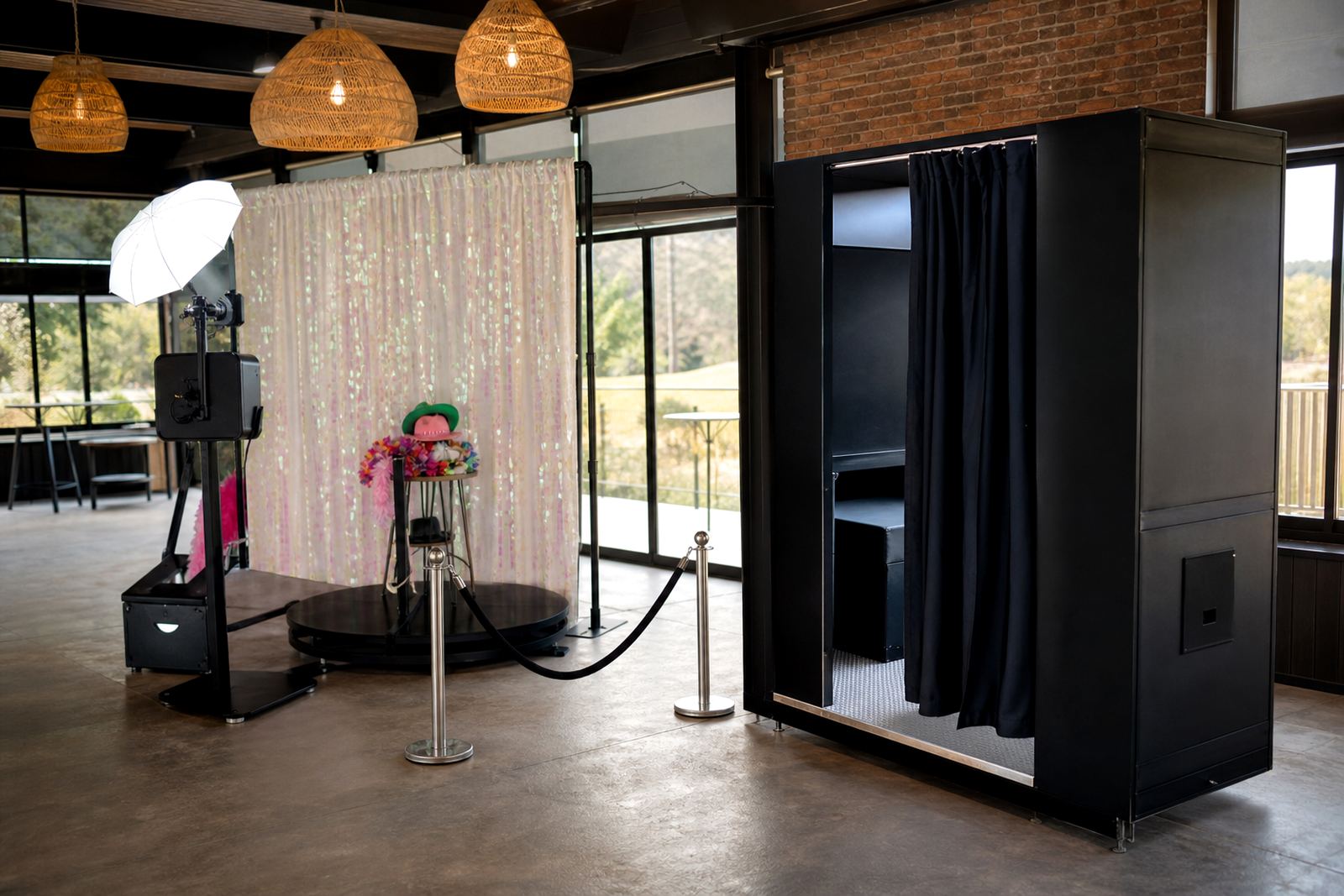
A useful event brief covers the venue type, guest age spread, indoor floor space, expected turnout and any power limits. It also covers the date, town and whether the site needs a full crew, a single attendant or a larger mix that includes snack service, photo booths or other amusements. For schools and corporates, it helps to note access controls, venue loading rules and any height limits for doorways or ceiling fixtures.
A neat brief makes it easier to match the machine mix, the cable plan and the staffing level to the event itself, whether the hire is for Midrand, Johannesburg, Pretoria, Durban, Cape Town or Bloemfontein.
- Give the venue name, suburb and town.
- List the age range and likely number of players.
- Note any power restrictions or loading rules.
- Mention if you need attendants, snack carts or photo booths too.