
Start with the crowd, not the catalogue
A good stall line-up begins with the people who will use it. A primary school fun day, a mall activation and a corporate family afternoon do not move at the same pace, so the game mix should match the age range and how long guests stay in one place.
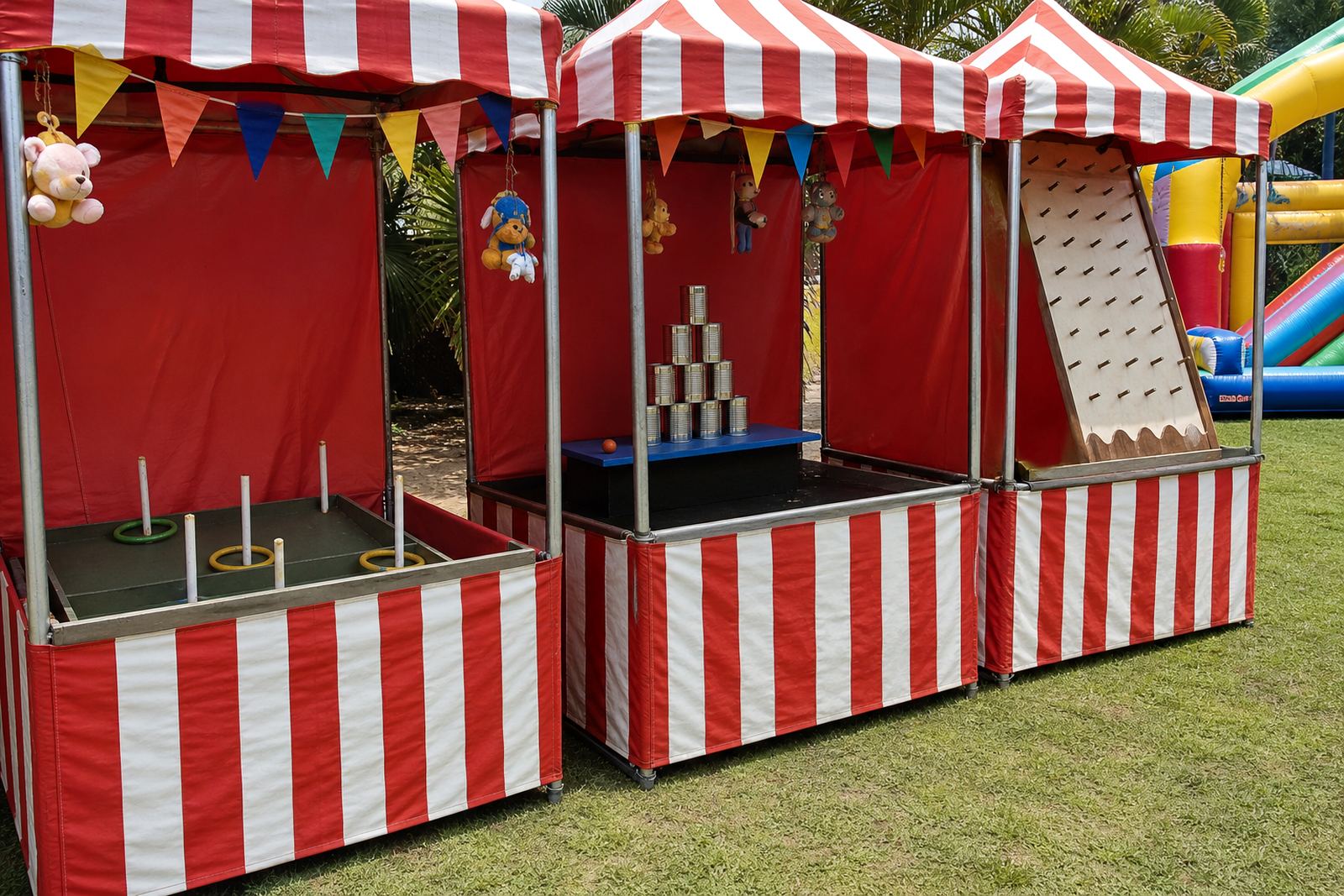
Skill games work well where you want friendly competition and repeat play. Luck games are better for fast turnover and short stops. Family favourites such as ring toss, hoop throws, coconut shy style stalls and beanbag challenges are easy to understand, which helps when parents, younger children and mixed age groups are sharing the same area.
- For mixed ages, keep the rules visible and short.
- For younger children, use lower targets and lighter throwing items.
- For older teens and adults, choose stalls with a stronger challenge.
- For busy events, plan a clear queue lane and a finish area.
How much space a stall zone really needs
Stalls need more than the footprint of the table or frame. You need room for players, the person running the game, a queue and a safe edge around the setup. A single stall can look small on paper and still feel cramped once prizes, signage and waiting guests are added.
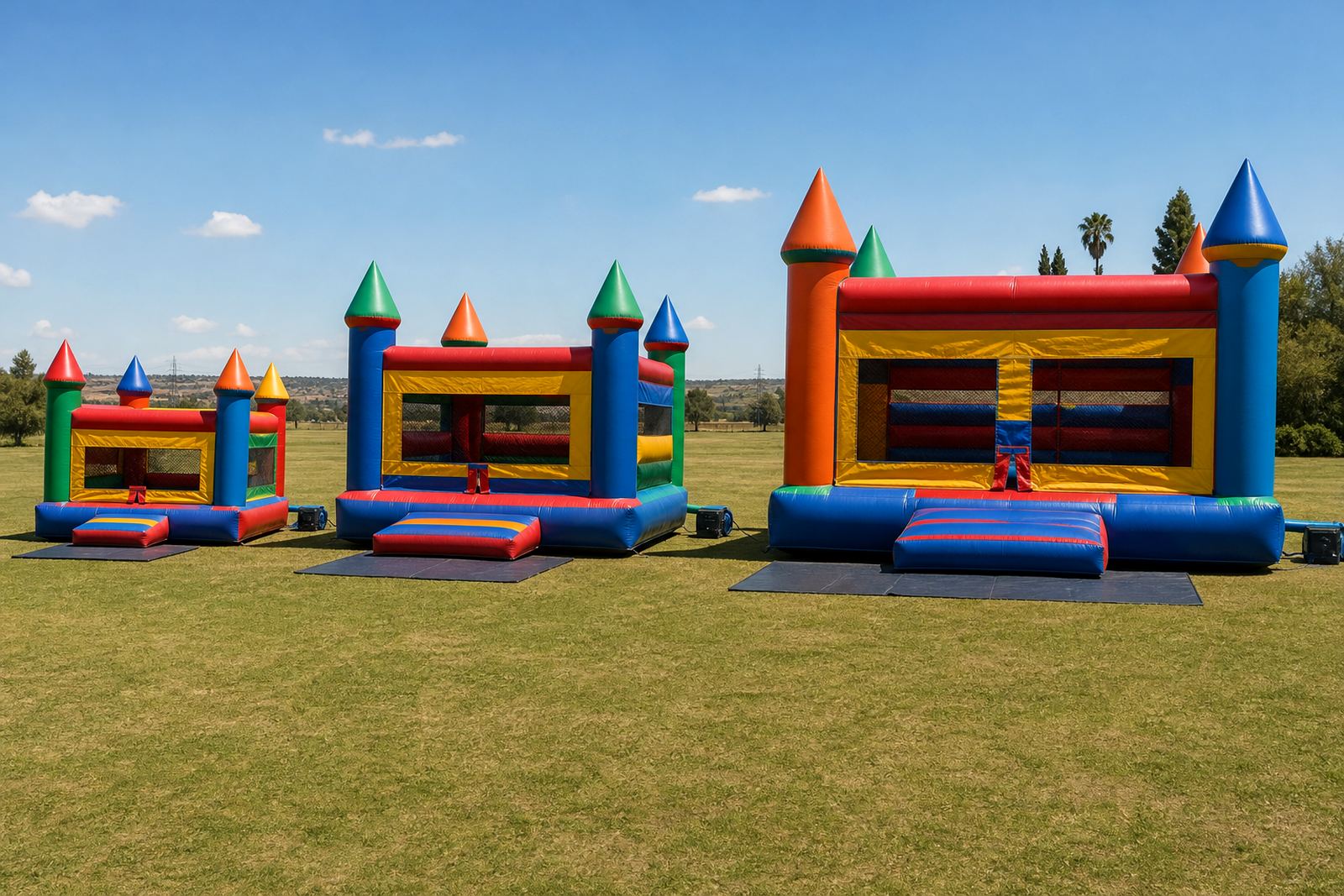
Walkways should stay open, especially at school fetes and mall entrances where people move in both directions. If the event is outdoors, hard ground, grass and paving all change the way equipment is secured, so anchoring and matting should be planned with the surface in mind. Wind exposure matters too, because lighter stall pieces can shift if they are left unsecured.
- Allow space for the stall, the queue and a clear exit.
- Keep access open for delivery vehicles and strike collection.
- Use mats where players step, throw or lean forward.
- Check whether the surface allows pegs, weights or water ballast.
Power, water and the small things that shape the day
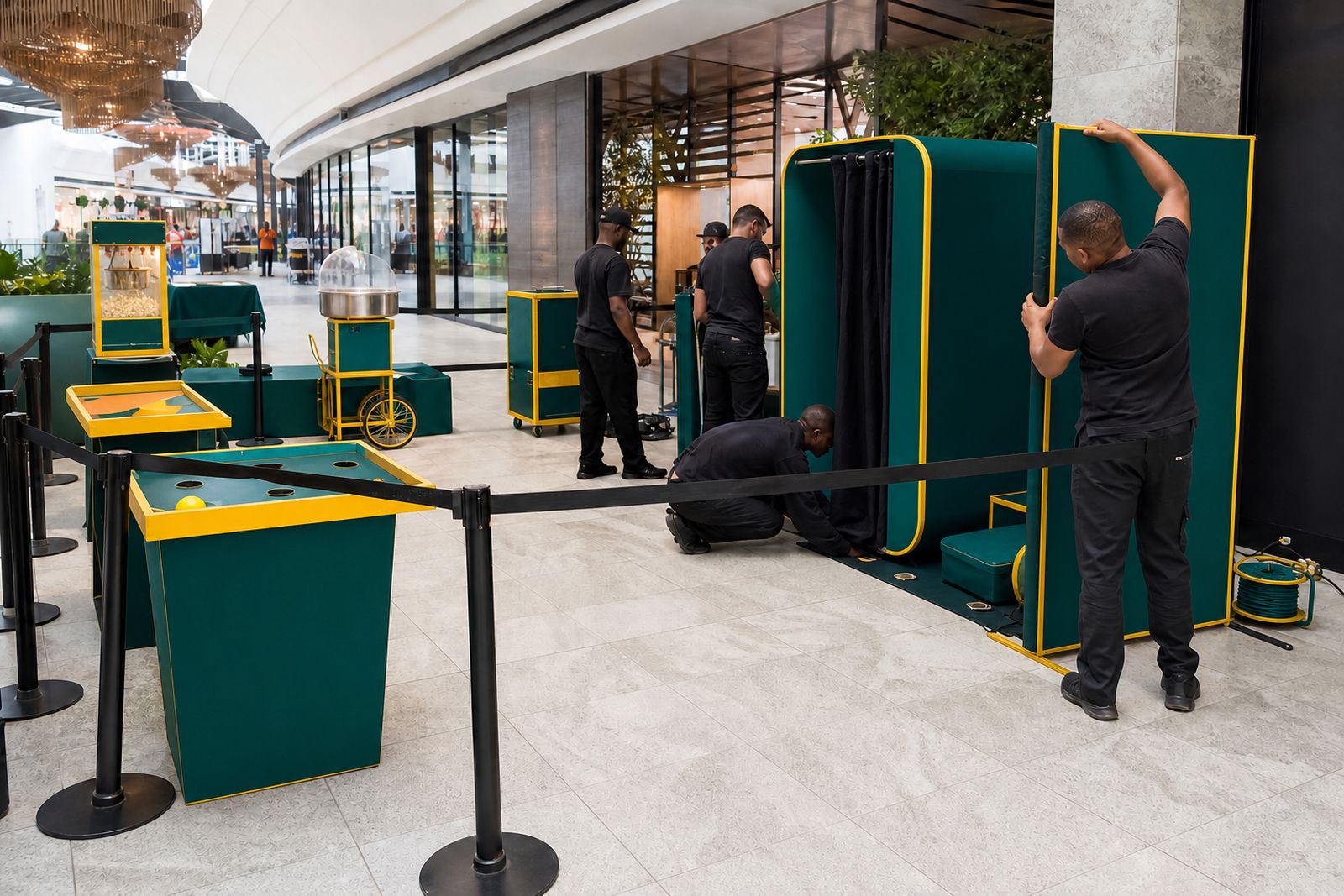
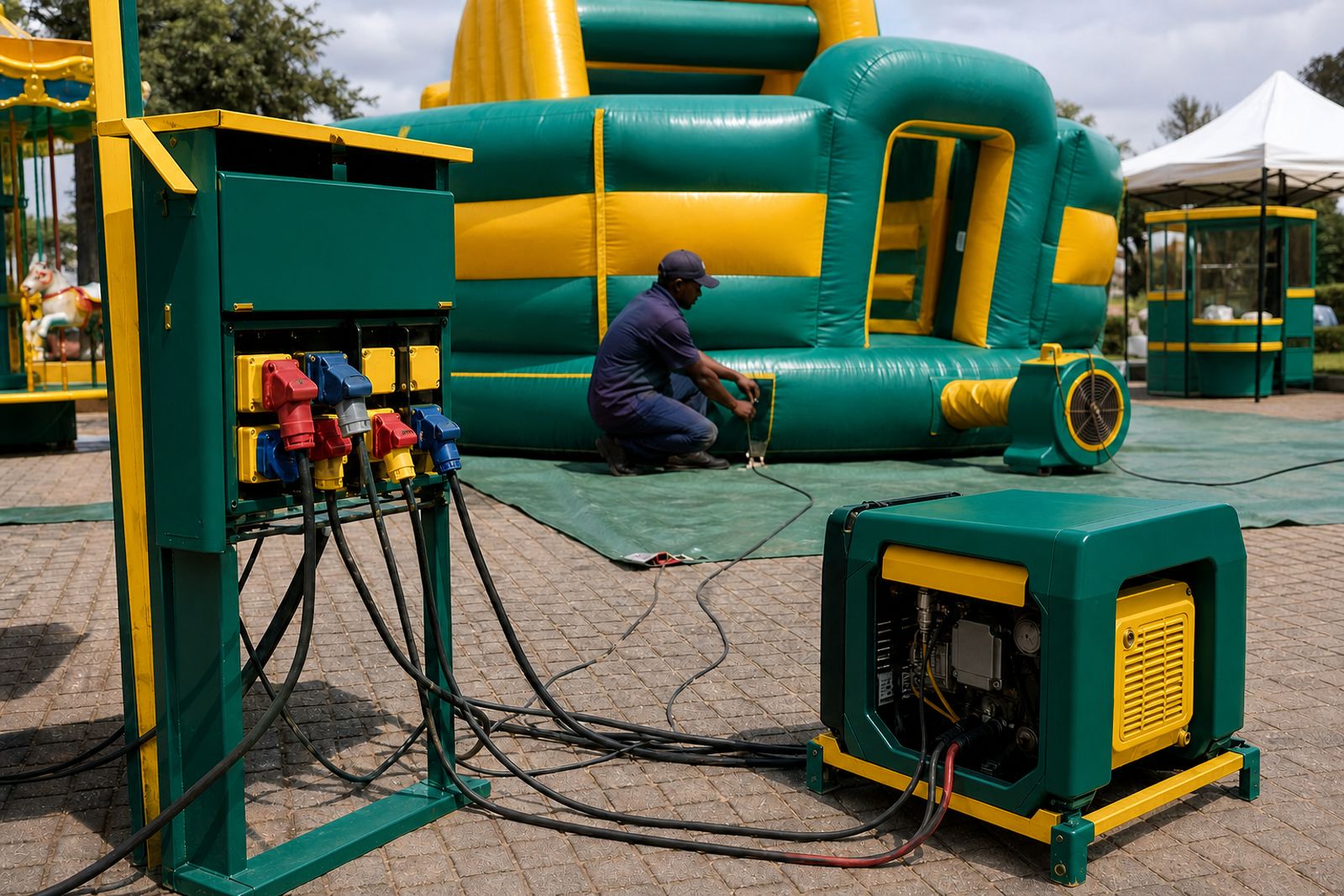
Some carnival stalls are fully manual, while others need mains power for lights, scoring units, arcade cabinets, popcorn machines, candy floss carts, foam machines or photo booth equipment. If the event includes several powered items, the load should be spread across safe circuits and the cable routes kept tidy so guests are not stepping over loose leads.
Generators are useful for open fields, parks and large outdoor venues where plugs are not close enough. Water is only needed for certain machines and cleaning points, but the site still needs a practical plan for waste, cable protection and dry storage. Small details like shade, table height and where staff stand can affect how smoothly the stall runs.
- Separate powered gear from foot traffic.
- Keep cables covered where guests walk.
- Plan generator position away from queues and noise sensitive areas.
- Match each machine to the correct power draw before setup.
Picking between skill, luck and quick-turn favourites
Skill stalls keep people involved for longer because each attempt feels earned. They suit older children, teenagers and adults who enjoy a proper challenge. Luck stalls create faster movement, which helps when you want short interactions and a steady stream of winners without long explanations.
Quick-turn favourites sit in the middle. They are easy to understand, quick to reset and simple for trained crew to manage. For a school field day, that balance can matter more than a complicated game that looks impressive but slows the whole queue. For a mall promotion, the best stall is often the one that lets passers-by step in, try once and move on without confusion.
- Choose skill games when engagement matters more than speed.
- Choose luck games when the crowd is large and moving.
- Choose quick-turn games when short dwell time is the goal.
- Mix one challenge game with one easy win game for variety.
Safety, supervision and weather changes
Every stall zone needs supervision, even when the activity looks simple. Tables should sit level, sharp edges need to be avoided, and the running crew should know the age limits, height limits and handling rules for each game. Where prizes, tokens or tokens and balls are used, the reset process should stay orderly so children are not reaching into the playing area.
Wet weather plans matter in Gauteng and at coastal events where sudden rain or wind can change the day very quickly. Covered areas, indoor backup space or a reduced footprint may be needed. If the ground becomes slippery, the safest move is often to pause a stall rather than keep it going on a poor surface.
- Keep a clear rule set for age and height.
- Use mats where players stand or land.
- Pause play if rain, wind or slick surfaces create risk.
- Assign one crew member to each busy stall cluster.
Booking steps that keep the event tidy
Good booking starts with the venue details, date, expected crowd and the sort of atmosphere you want. A school may need softer games and longer queues managed carefully, while a corporate family day may want a wider mix that includes food carts, photo stops and a few higher-energy attractions.
Deposits, access rules and site checks are usually part of the process. The crew needs to know where vehicles can enter, where the stalls will sit, whether the venue has power, and what time setup can begin. Strike and collection should also be part of the plan, because clear packing routes save trouble at the end of a long day.
- Share the venue name and surface type.
- List the age groups and expected numbers.
- Note power points, generator use and any access limits.
- Confirm whether you want staffed stalls, self-run stalls or a mix.