
The clock matters long before the first child arrives
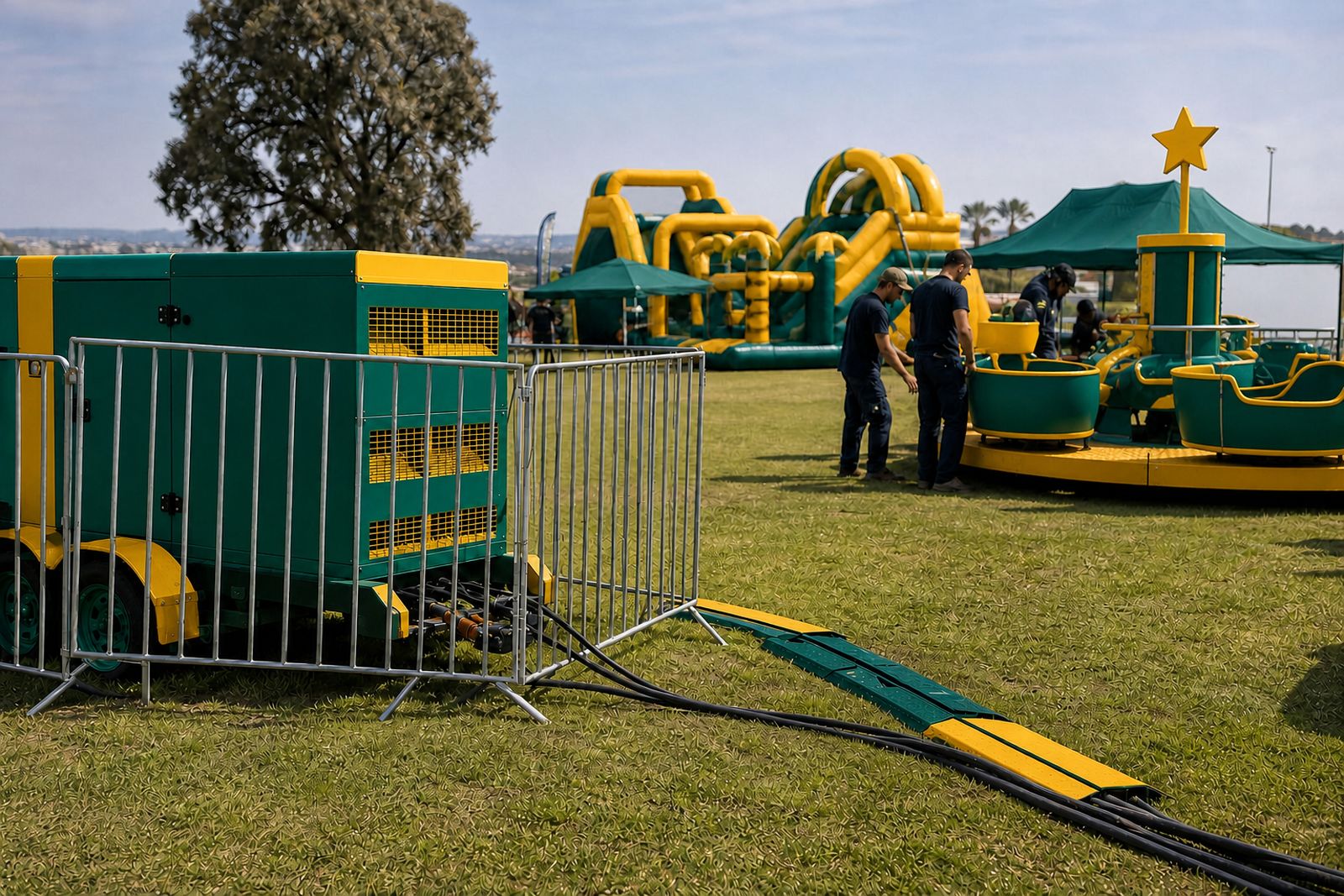
With party hire, the schedule starts before guests do. A jumping castle, inflatable course or photo booth needs a clear arrival slot, time for unloading, checking the ground and sorting anchoring or mats before anyone lines up.
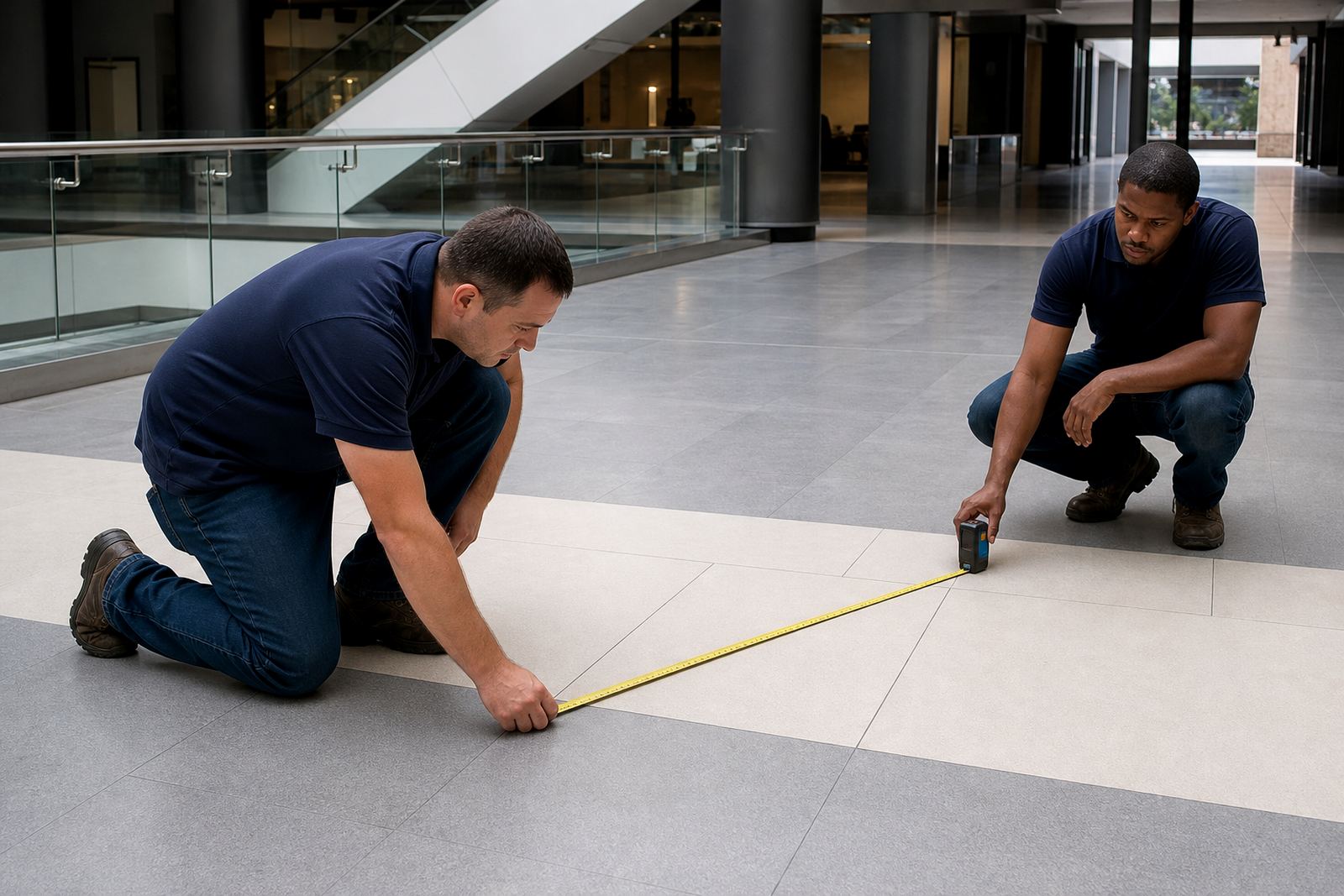
At schools and malls in particular, the entrance route can shape the whole day. Service bays, pedestrian traffic, set-down points and access to the play area all affect how long the crew needs on site, and that is before the first queue starts building.
- Delivery windows work best when the site is clear and open for unloading.
- Set-up time changes with item size, access and the number of units booked.
- Collection slots need to follow the close of play, not the end of speeches.
Peak play is not the same as party time
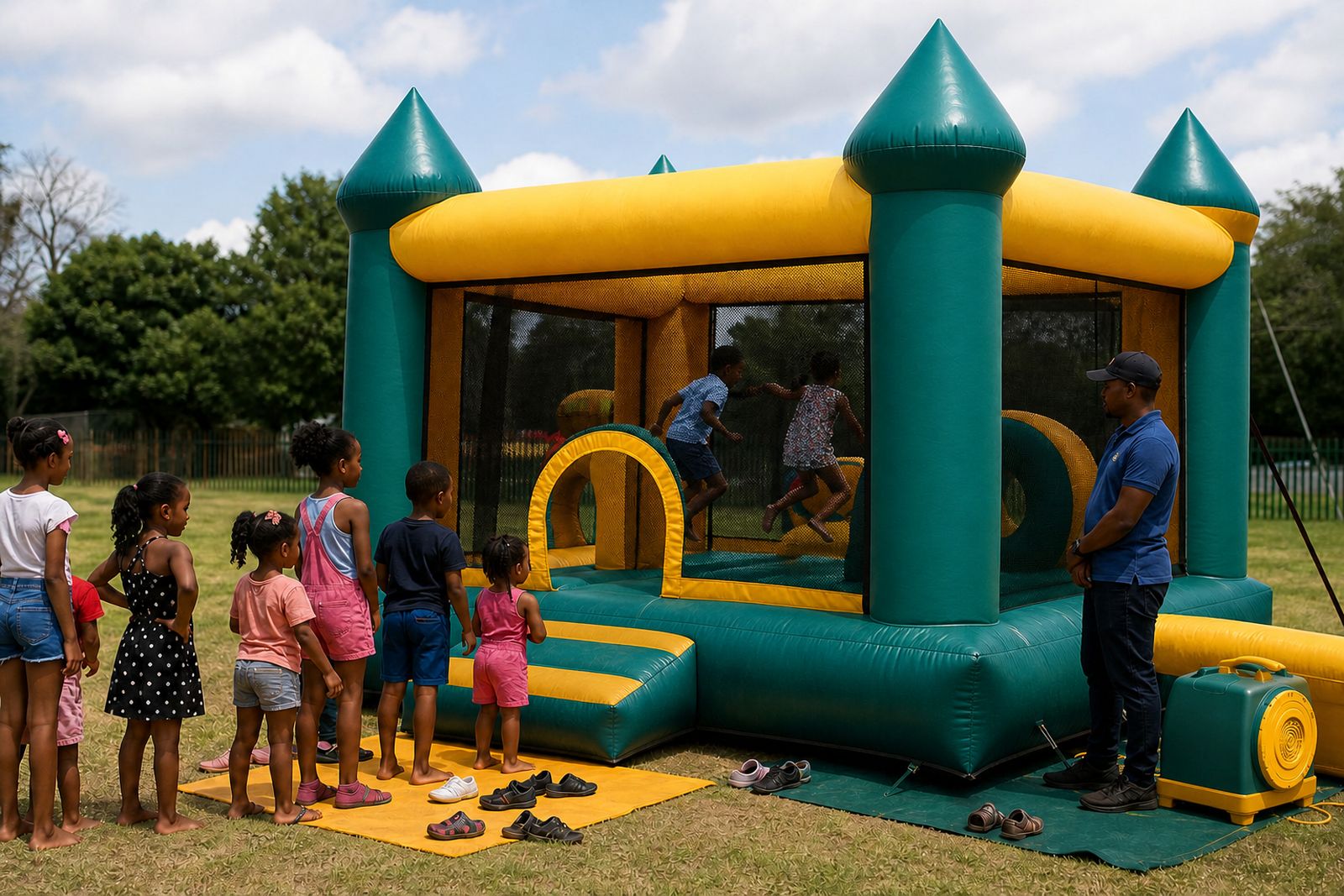
Most events have a busy centre point. At a birthday, that may be the hour after cake. At a school fun day, it may be the gap between performances. At a corporate family day, it is often when parents and children reach the same area at once.
That is where the timing window matters most. A small arcade bank may cope with steady foot traffic, while a candy floss cart or foam machine can draw a quick burst of interest that shifts the queue pattern. If the schedule ignores those peaks, the crowd bunches up and the play area feels smaller than it is.
- High-interest items need queue space as much as floor space.
- Snack carts work better when placed away from the main entry path.
- Photo booths and mascots need their own short time blocks for busy moments.
Setup slots should match the size of the equipment
A compact castle in a garden courtyard is one thing. A larger inflatable obstacle course at a school field, with blowers, safety mats and anchoring points, is another. The job is not only about size in metres, it is also about how the crew can move around the unit while keeping walkways open.
For venues in Midrand, Sandton or Centurion, access can be straightforward or tight depending on the entrance, lift access or turf rules. In Durban or Cape Town, weather and wind can change the order of work, so the crew may need to secure the unit first, then complete the rest of the setup around it.
- Small inflatables still need clear ground and safe buffer space.
- Obstacle courses need longer layouts and more careful anchoring.
- Arcade cabinets, stalls and carts need dry, level positioning.
Collection slots should follow the close of play, not the speeches
Collection is included in the event timetable from the start. If the last game ends while speeches are still running or the prize giving is under way, the crew cannot strike equipment cleanly. A clear close allows the site to be handed back in order and without people crossing the work path.
At malls, schools and corporate grounds, the difference between a tidy exit and a crowded one often comes down to a short buffer period. That buffer gives time to switch off machines, remove mats, check for loose items and pack the gear without rushing through guest areas.
It helps to keep the end of the hire separate from the end of the event programme.
Weather plans are part of timing, not a side note
South African weather can move quickly, and that affects outdoor play. A hot afternoon may call for shade and more water breaks, while a windy coastal site may need a change in the order of inflating, anchoring and starting the activities. A light shower can pause a foam or bubble setup, and a wet field can slow collection if the route becomes slippery.
Wet weather plans are most useful when they are built into the timetable from the start. That means knowing where the crew can work, where guests can wait and which items can be delayed without upsetting the whole day.
- Outdoor inflatables need a weather check against wind and ground conditions.
- Foam and bubble features need practical drainage and slip control.
- Covered alternatives can protect the schedule when the sky changes.
A Midrand school fun day, timed for real movement
Think of a school fun day in Midrand with a jumping castle, a small obstacle course, carnival games and a snack cart. The crew arrives before pupils are released, sets the inflatables on a marked field, runs the power planning, checks the blower positions and places mats where feet will land most often.
Once the first group is in, the timing changes again. Younger children often move in short bursts and need closer supervision, while older groups may prefer longer turns on the arcade machines or a faster rotation through the game stalls. If the schedule is too loose, some items go unused while others form a long queue.
A clean timing plan keeps the whole site moving, and it helps the end of the day feel orderly rather than hurried.
Booking steps that shape the whole day
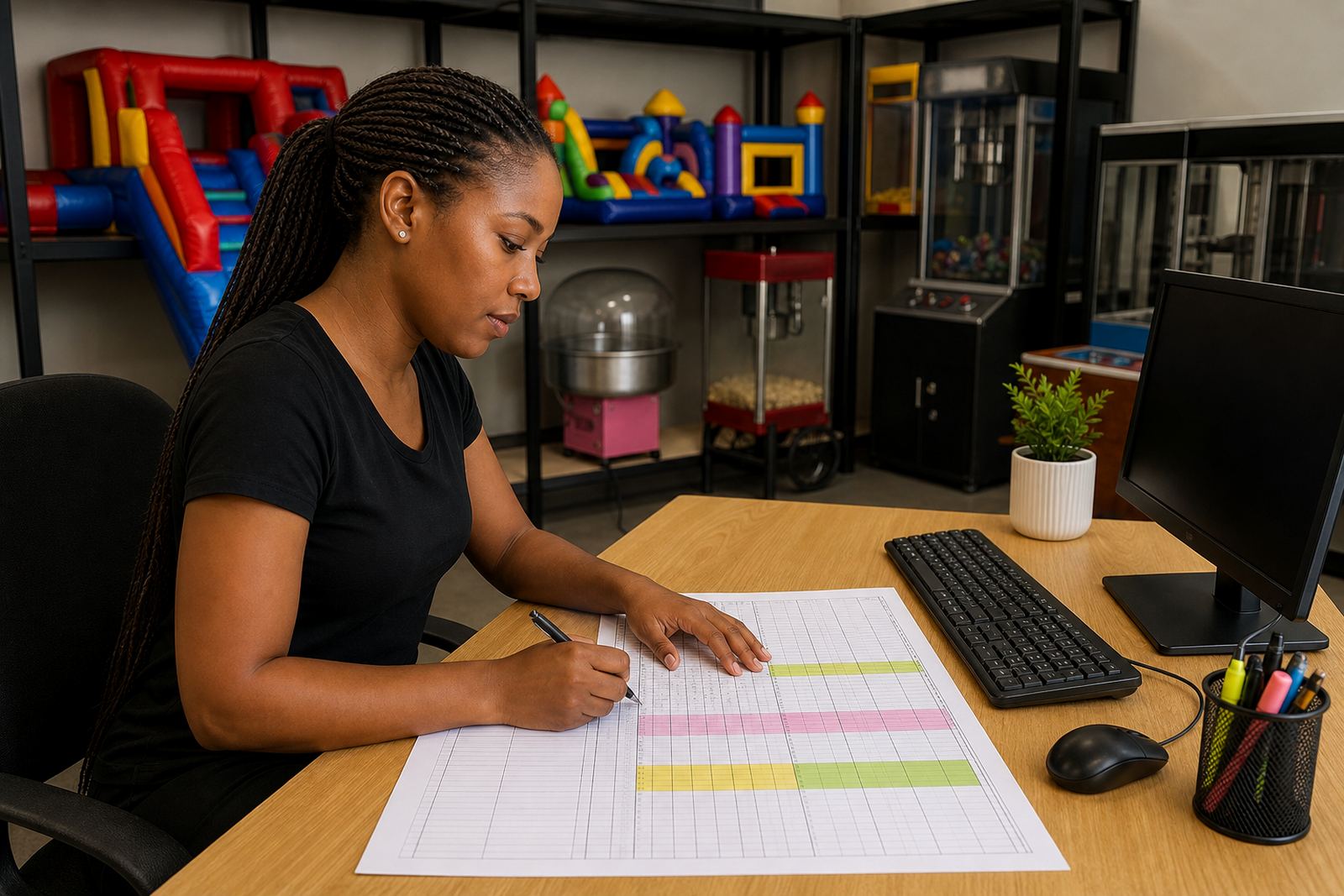
The best event schedule starts with the hire list, then the access notes, then the timing. That order matters because the equipment list decides the crew size, the setup pattern and the collection sequence. Once those pieces are set, the rest of the day can be mapped around guest arrival, peak use and closing.
For a mall activation, that may include public access hours and power points. For a birthday, it may be the garden size, gate width and the safest path to the play area.
- Start with the venue, then the guest count and age mix.
- Note whether the site needs generator supply or mains power planning.
- Allow for setup, peak play and strike in separate time blocks.