
Where the queue naturally starts
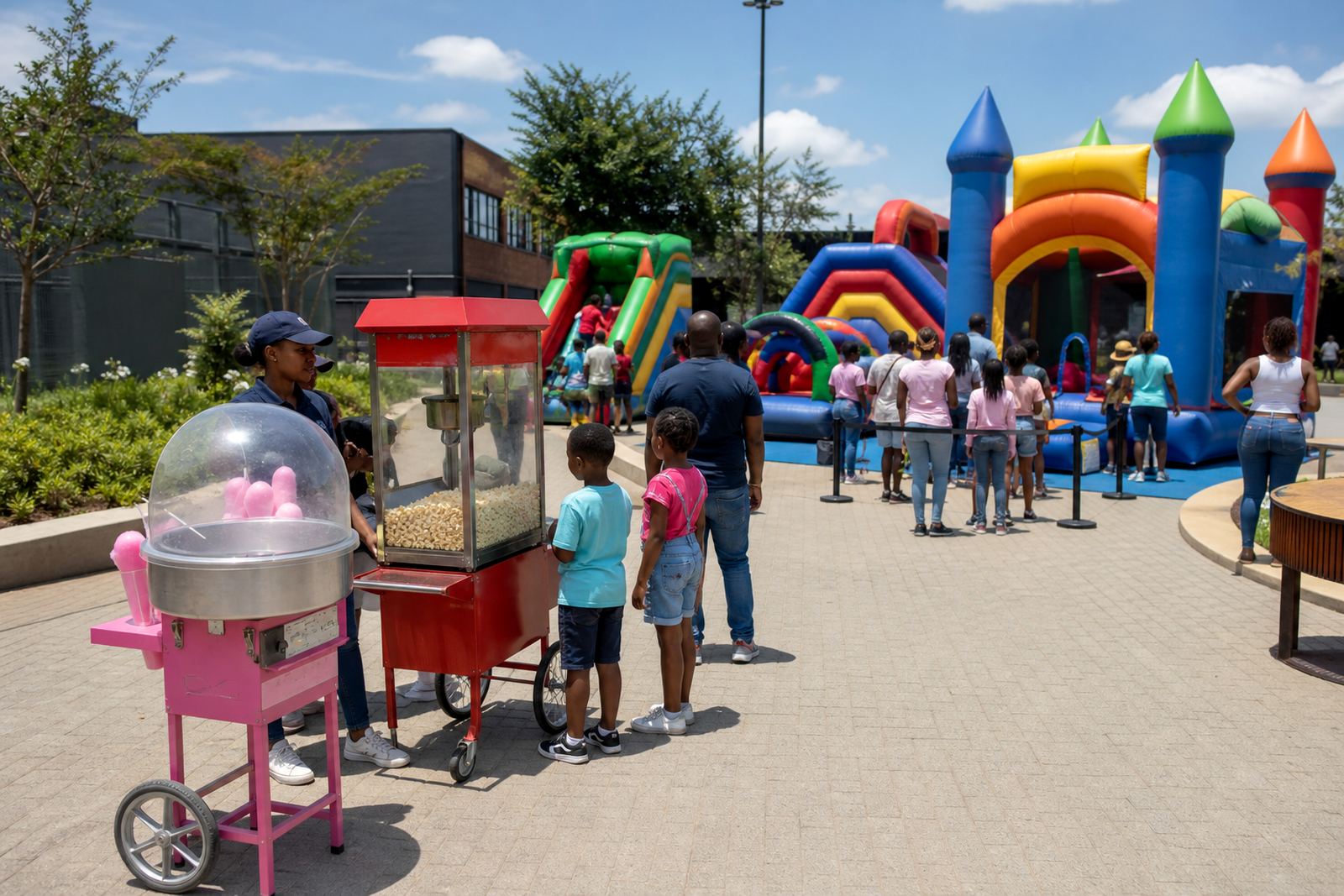
Snack carts perform best near entrances to activity zones, not right at the gate where people are still filtering in. A cart needs a place where guests can pause, notice the smell, and step aside without blocking the main stream of foot traffic.
In schools and malls, that usually means the edge of a courtyard, the side of a hall, or a spot beside a seating cluster. At birthday parties the best corner is often close enough to the play area that children see it, but not so close that they press against the serving table.
- Keep the service face open to the crowd, not facing a wall.
- Leave room for a neat queue that does not cut across walkways.
- Place bins a few metres away so wrappers do not collect underfoot.
- Use a spot with enough light if the event runs into the evening.
The best place is not always the busiest place
A cart that sits in the busiest crossing can become part of the problem. People stop, children turn back, and the line spreads wider than the space allows. That is why a good setup often sits just off the main path, where guests can queue without holding up the rest of the event.
For popcorn, the smell helps draw people in from a fair distance. Candy floss works well where guests are already lingering, such as next to a stage, a photo booth, or a seating ring. If both carts are at the same function, spacing them apart can prevent one queue from feeding into the other.
- Popcorn does well near entry paths and snack breaks.
- Candy floss suits games zones and family browsing areas.
- Two carts should not face each other in a narrow passage.
- Keep service tables clear of décor that crowds the operator.
Power, heat and the practical bits behind the counter
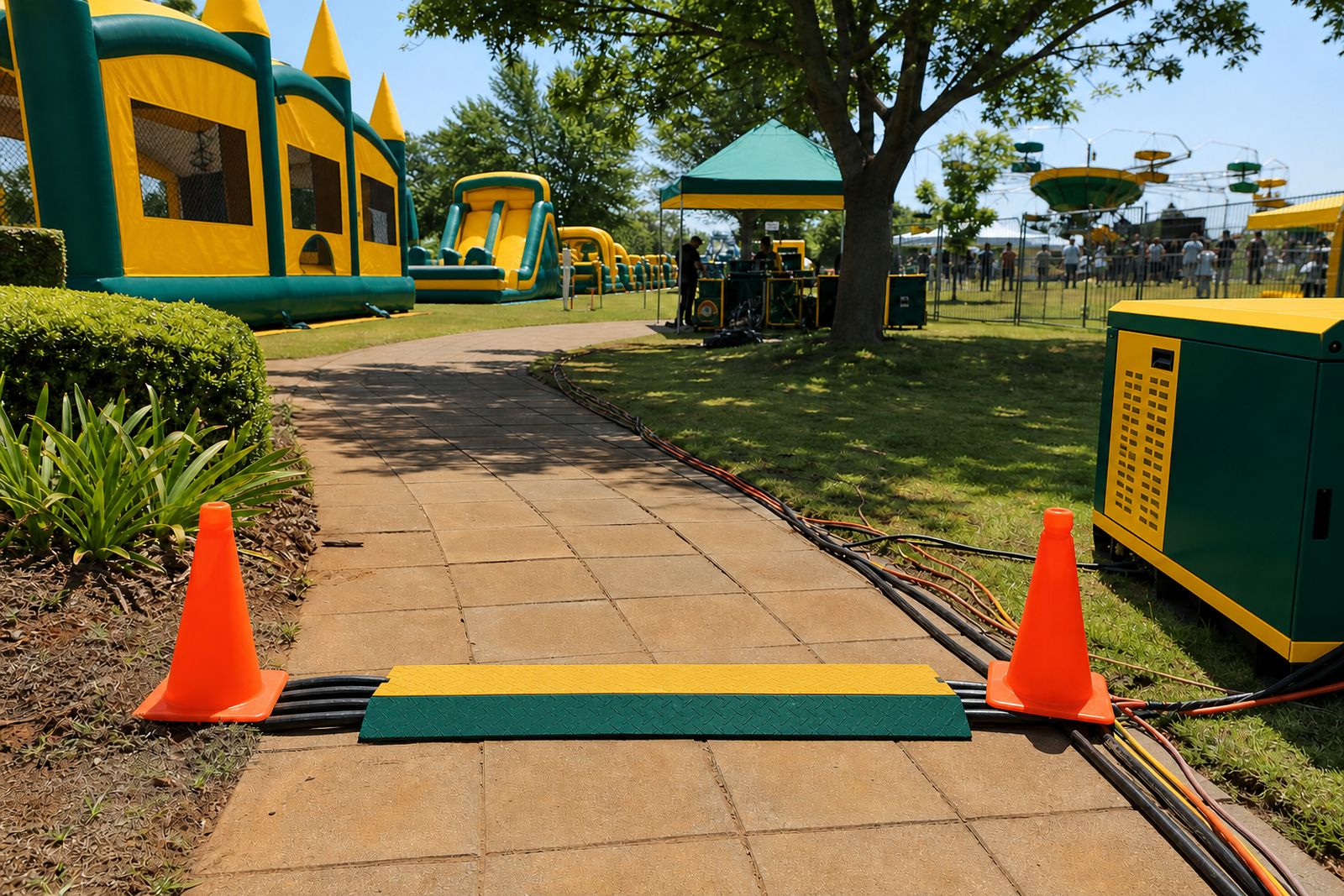
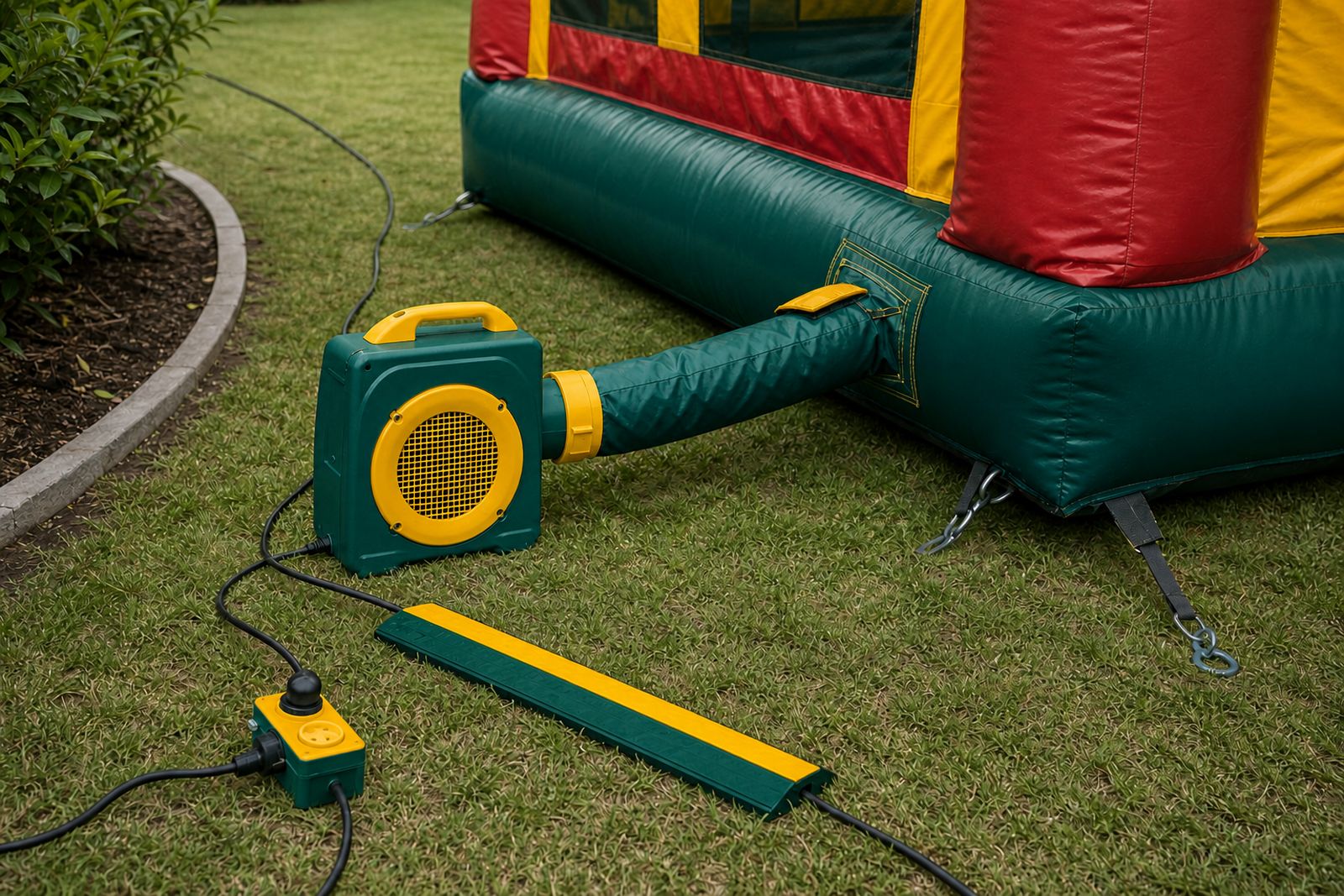
Most snack carts need a steady power point, and the setup should be planned around safe cable routes. If the event is outdoors, the crew may use a generator to keep the machine running where mains power is not practical. Warm equipment also needs enough breathing space, especially where children are nearby and people gather closely.
Rain or high wind can change the setup quickly. A cart under a canopy still needs dry ground, stable positioning and cover for the serving side. On hot days, shade matters for the operator and for the flow of guests who tend to linger longer when the space feels comfortable.
- Check access to power before the cart is moved into position.
- Keep cables away from feet, prams and wheelchairs.
- Allow space for a canopy or weather cover where needed.
- Anchor the working area so the cart does not shift during service.
Guest flow around schools and family days
School events usually need a tighter queue plan than private parties, because many children want service at the same time. A snack cart works better when the line starts away from doorways, sports courts and stage access. A clear entry point and a clear exit point help keep the area calm.
At corporate family days, adults often queue while children move between rides and games. In that setting, the cart does well beside seating or near a rest zone. It gives parents a place to pause while still keeping an eye on the rest of the programme. In a Gauteng school fair, for example, a popcorn cart beside the shaded seating area usually keeps movement cleaner than placing it in the narrow gap between two activity stalls.
- Plan for children, parents and staff to approach from different directions.
- Keep service points visible from a distance.
- Set the cart where a queue can bend without blocking access.
- Use supervision where the crowd is dense or restless.
When the cart should sit beside other amusements
Snack carts often work well near photo booths, arcade machines and mascots because those activities create waiting time. Guests who are not on the machine or in front of the camera still have something to do, and the queue feels shorter when food is nearby. The same is true beside small rides or a foam area, where people move in pulses and stop for a break.
The cart should not sit where dropped sugar, steam or crumbs could affect another activity. A little spacing helps the whole site feel more organised. Trained crews also need a clear route to restock supplies, wipe surfaces and work through service without crossing the main guest line.
- Place snack carts near waiting zones, not on top of them.
- Keep them clear of ride gates and photo booth backdrops.
- Allow a route for restocking and cleaning.
- Separate food service from wet play areas where possible.
Booking, setup and the timing around the day
A snack cart booking usually starts with the event type, guest numbers and site layout. From there the crew can judge whether one cart is enough, whether power or a generator is needed, and whether the position should change between the opening session and the peak period. For larger events, the cart may be moved into a better flow point once the main crowd arrives.
Setup often takes place before guests enter, with time allowed for testing, placement of bins and checking the working area. Strike and collection are easiest when the cart has a direct path out of the crowd. In Midrand and across Gauteng, that kind of planning makes a real difference when the event site has narrow access, school rules or managed mall walkways.
- Share the venue layout before the cart is placed.
- Allow space for setup, testing and later collection.
- Confirm whether the cart stays fixed or shifts during the event.
- Tell the crew about access points, stairs and service corridors.