
Gateways, lanes and the turning space a truck needs
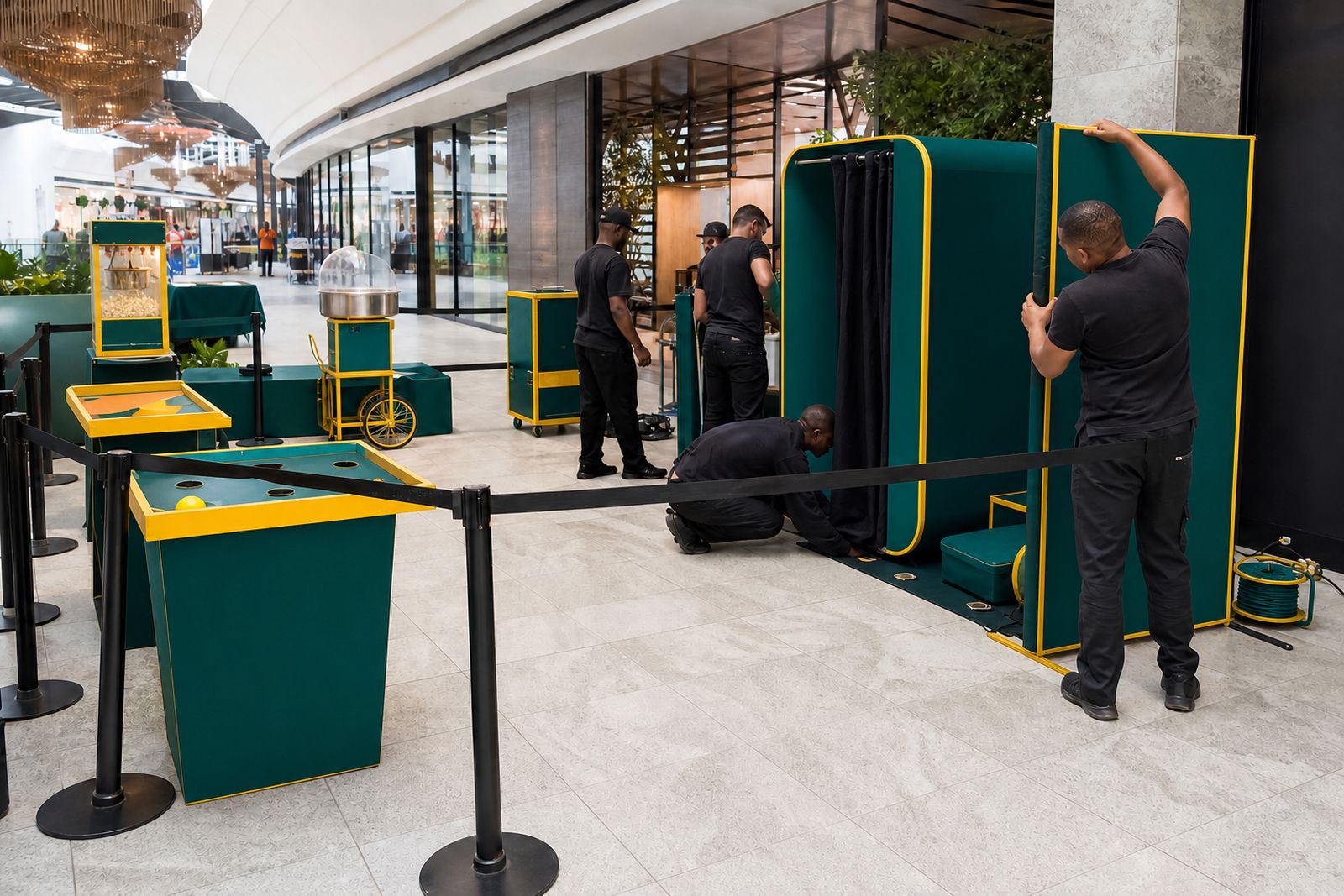
Start at the entrance. A crew with inflatable units, arcade cabinets and carts needs room to bring equipment in without blocking pedestrians, delivery vehicles or tenant access. Measure gate widths, stair landings and passage points, then note any tight corners, low roofs or security booms that change the route.
For larger inflatables and small rides, the access route matters as much as the open area itself. If a truck must reverse, turn, or stop outside a loading bay, make sure the venue allows it. Schools in Gauteng and malls in busy centres often have different rules for vehicle entry, so the event file should reflect the exact gate and the person who will open it.
- Confirm the main entrance and the backup entrance.
- Check boom clearance and delivery vehicle height.
- Keep a contact name for security or site staff on the day.
- Allow space for trolleys, ropes, mats and power leads.
Ground conditions that change how amusements sit
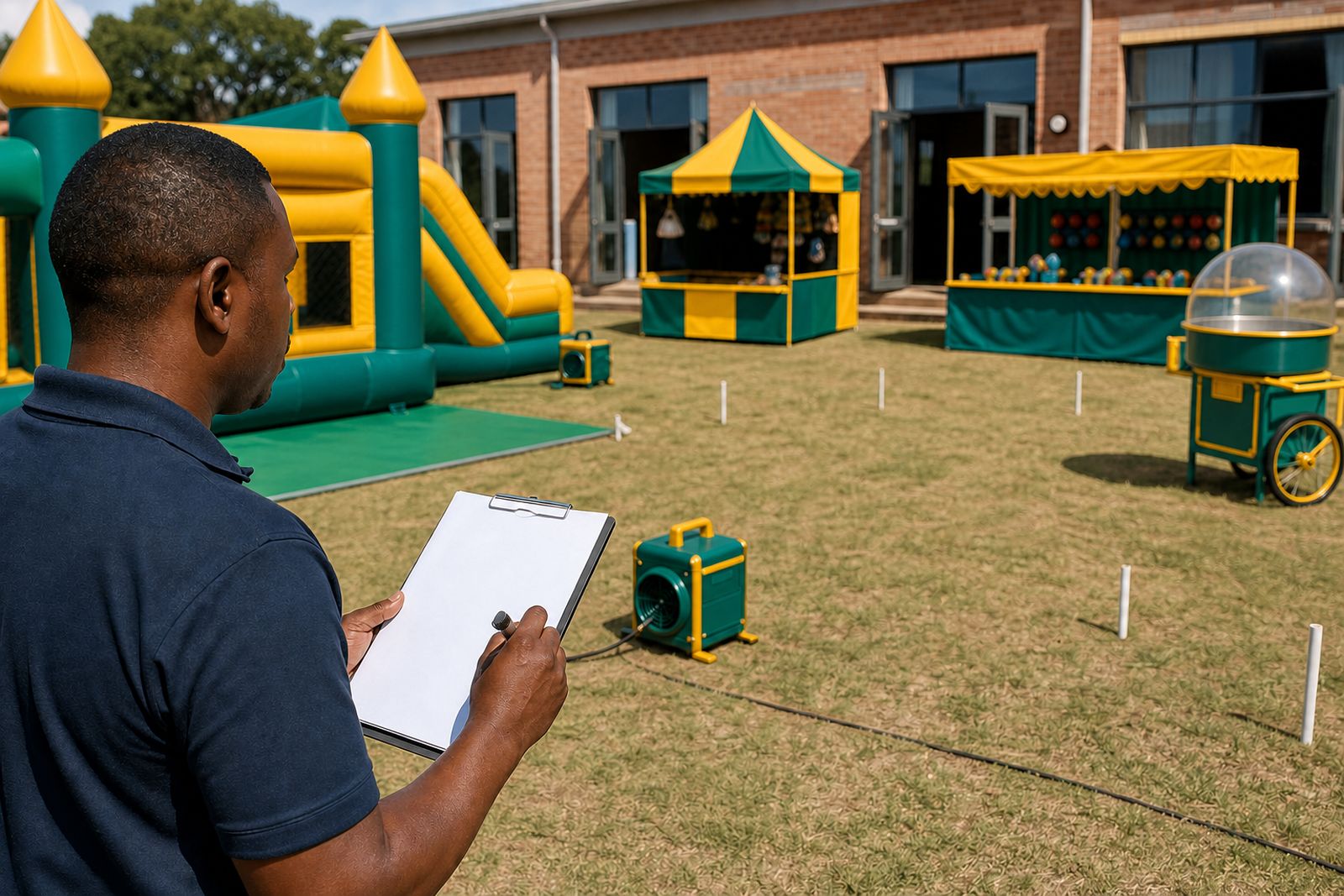
Flat, clean ground makes the set-up easier but the surface still needs a look. Grass should be firm enough for stakes and anchors, while paving must be level and free of loose stones. If the event is on sports fields, a court or a shaded terrace, note the condition of the ground and whether it can take foot traffic, water, or heavy load points.
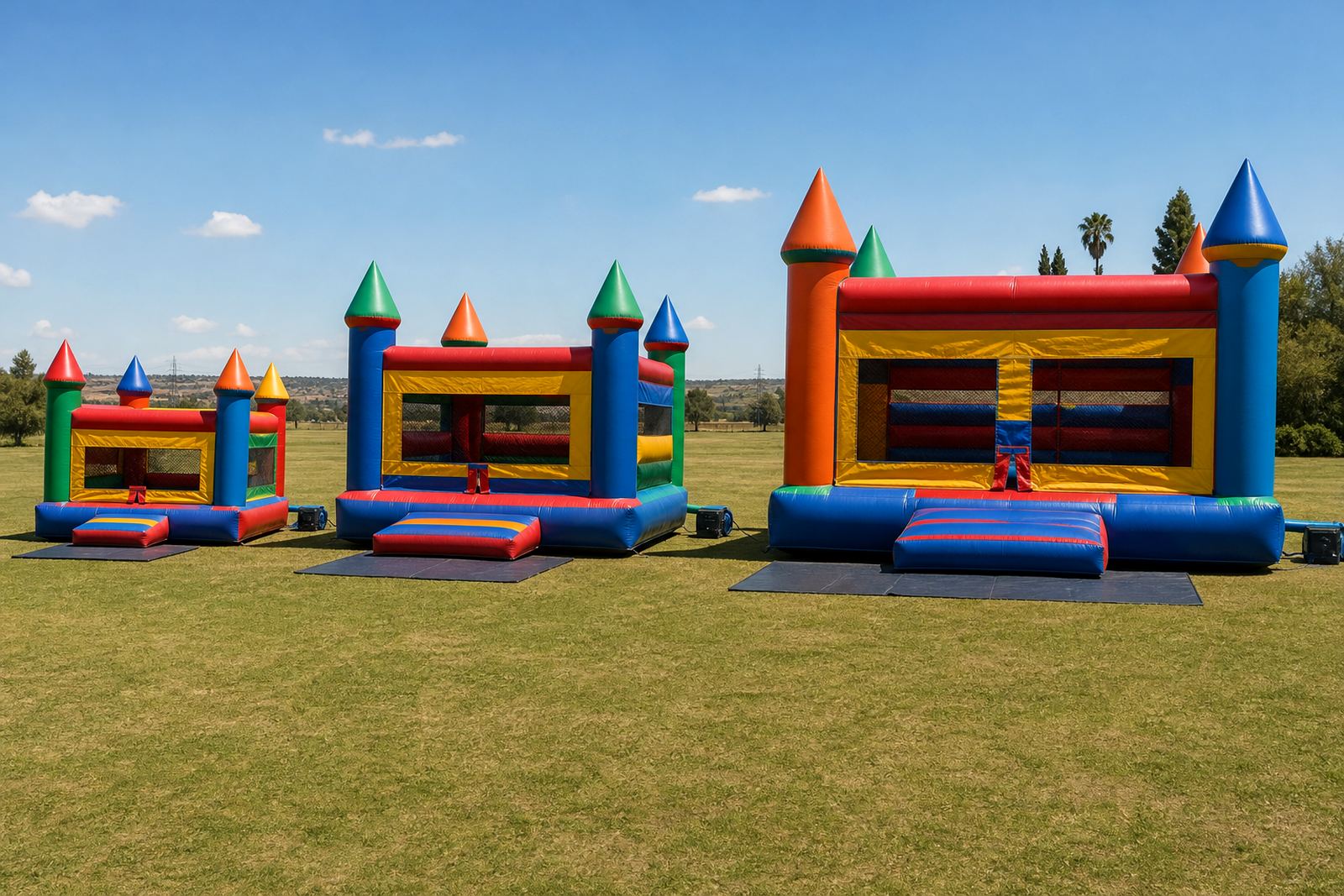
Inflatable castles and obstacle lanes need safety mats at the entry and exit points. Soft ground can shift after rain, while polished indoor floors may need added care for grip and floor marking. A dry surface also matters for carnival game stalls, snack carts and photo booth queues, because people need to move without slipping or bunching up.
- Check for holes, uneven paving and hidden sprinkler covers.
- Confirm whether the venue allows pegs, ballast or water weights.
- Keep wet weather plans ready for grass and open courtyards.
- Mark any fragile surfaces before crews arrive.
Power, cables and the machines that need a socket
Some amusements run on blowers, lights, motors, cooling fans or camera gear. That means power planning matters, even at a birthday in Midrand or a mall activation in Cape Town. Ask which items need mains power, which ones need a generator, and where the cable runs can sit without crossing a public walkway.
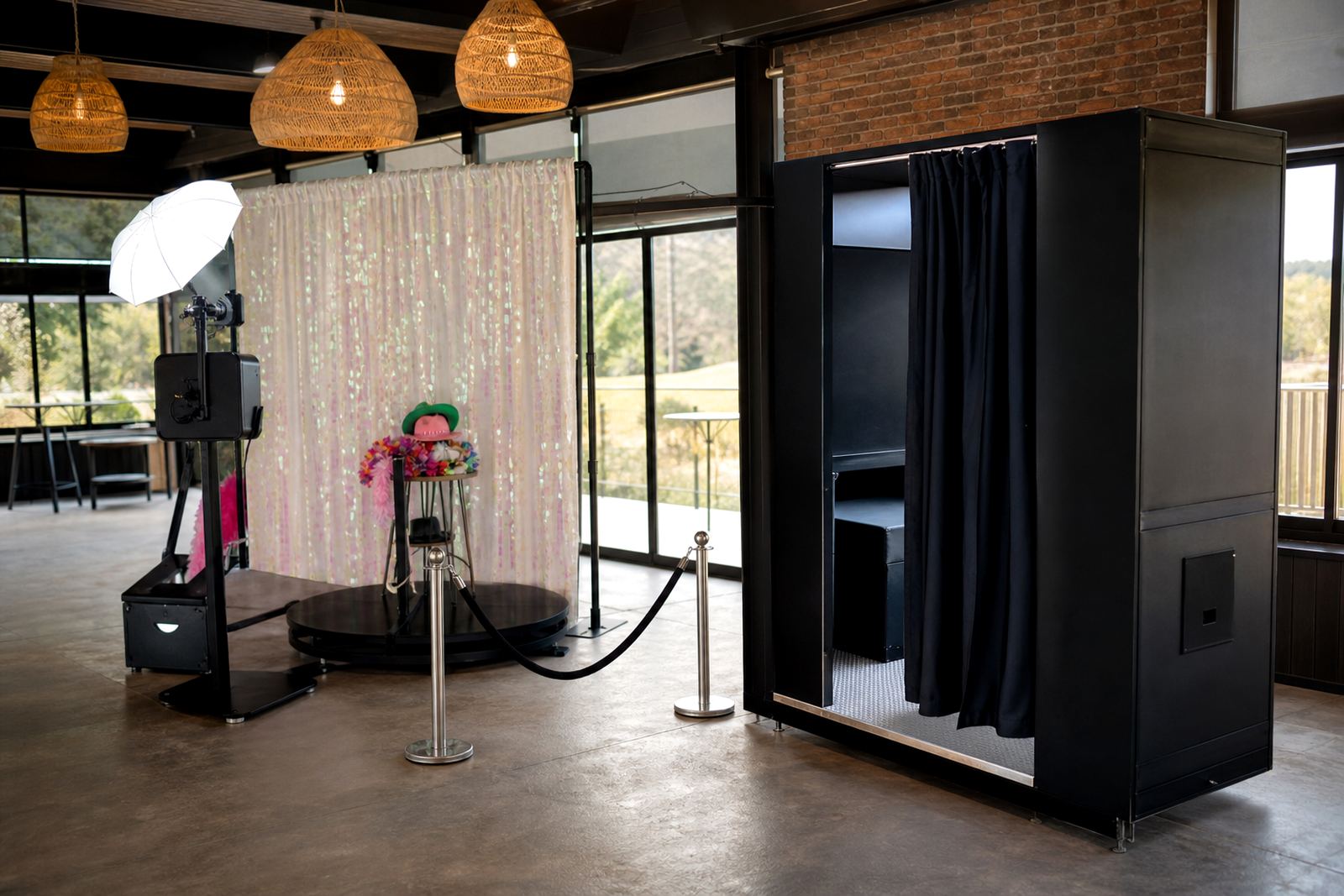
Photo booths usually need a stable point for lighting and printers, while foam and bubble machines need attention to splashing and the floor around them. Candy floss and popcorn carts may only need a single supply point, but they still need safe cable routing and a dry position. If a generator is part of the plan, the venue must allow a sensible outdoor position with space for fumes, noise and refuelling control.
- List every item that draws power.
- Identify the nearest socket and the backup source.
- Keep extension paths away from doors and exits.
- Ask where the generator can sit without disturbing foot traffic.
Parking, stacking space and the crew path to the site
Parking is more than a place for the truck. Crews need a spot close enough for unloading, stacking boxes and keeping replacement items nearby. If the venue has strict parking bays or shared entrances, note whether a delivery vehicle can stay on site during set-up or must move after unloading.
Schools and corporate grounds often need a signed entry process. Malls may have dock times, traffic marshals and limits on where crates can stand. The crew also needs a clean path from vehicle to site, because games, mascot suits and machine cases move faster when the route is clear. A crowded passage can slow the whole build and makes supervision harder.
- Reserve parking close to the event zone.
- Confirm whether loading bays are shared or timed.
- Plan a clear path for cases, carts and cooling gear.
- Keep a site marshal available for the first vehicle in.
Collection windows, strike order and what the venue must allow
Collection time rules can be as important as set-up rules. The venue should know when the space must be clear, where strike can begin, and whether the crew can work while guests are still leaving. For birthdays this may be easy, but school functions and mall events often need a strict exit schedule so that the area returns to normal without delay.
Strike work should follow the reverse of set-up. Mats come up, cables are coiled, game pieces are packed, and larger units are deflated or shut down before lifting. A neat exit also helps if the venue has noise limits or neighbour restrictions. If rain, wind or a sudden change in foot traffic is expected, the collection plan should already name the safe way out.
- Set the handover and collection points in writing.
- Keep the space open for packing and loading.
- Allow time for counting accessories and loose parts.
- Note any venue closing time that affects strike.
The checklist that helps bookings stay tidy
When you send a booking brief, the useful details are often small: the exact venue name, surface type, gate access, power points, parking rules and the time the area must be empty. Add the age group, expected crowd size and any height limits for rides or inflatables, because that affects the layout and the supervision plan. A mall activation in Sandton runs differently from a school sports day in Bloemfontein, and the venue plan reflects that.
Amused works from Midrand and handles national road shows for schools, malls, corporate family days and birthdays. If the venue changes the access point or the collection window after booking, that change should be noted with the same care as the first order.
- Venue name and suburb or town.
- Surface type and any floor protection needs.
- Power source, parking and loading access.
- Collection time rules and on site contact person.